The Importance of Albania in Contemporary Europe
Albania, located on the Balkan Peninsula, has increasingly become a focal point of interest, drawing attention from tourists and investors alike. Its rich history, diverse culture, and stunning natural beauty make it a significant destination in Europe. As a country that has just recently emerged from decades of isolation and repression, Albania is keen to establish itself on the European stage, making its exploration relevant not just for adventurers, but also for those interested in current European dynamics.
Recent Developments in Tourism
According to the Albanian Institute of Statistics, tourism is a growing sector in the country, contributing about 8% to its GDP. In 2022, Albania welcomed over 7 million visitors, a substantial increase compared to previous years. In particular, the Albanian Riviera, famous for its stunning beaches and crystal-clear waters, has seen a surge in interest, with several new hotels and investments aimed at enhancing the tourist experience.
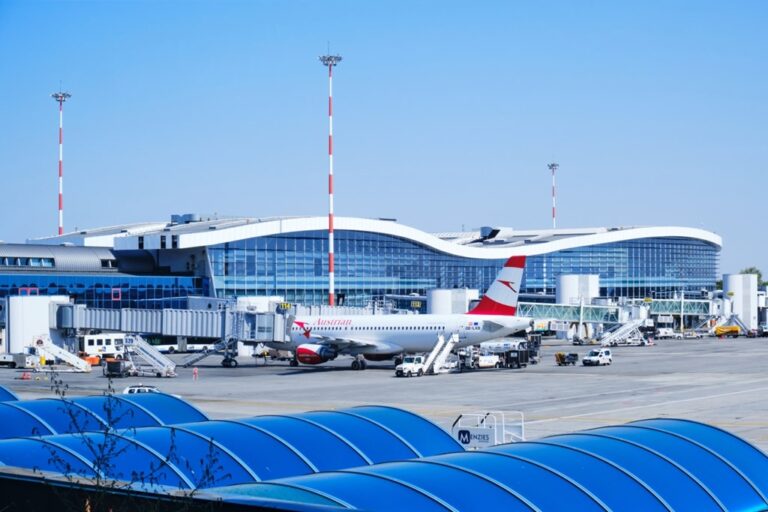
Furthermore, investments in infrastructure, such as the opening of new highways and improvements in connectivity through both air and sea routes, have made Albania more accessible. Major airlines have added direct flights between Albania and various European cities, which is expected to spur even greater tourism growth in the coming years.
Cultural Significance and Natural Attractions
Albania is not just about beaches; it boasts a rich cultural heritage with a mosaic of ethnic influences. The UNESCO World Heritage Sites, such as the ancient city of Butrint and the traditional town of Gjirokastër, highlight its historical significance. The capital, Tirana, is undergoing a cultural renaissance with revamped public spaces and vibrant street life that showcases the country’s artistic talents.
Naturally, Albania offers diverse landscapes ranging from the snowy peaks of the Albanian Alps to the lush greenery of the countryside, and the pristine beaches along the Ionian and Adriatic Seas. Outdoor activities such as hiking, water sports, and cultural tours are becoming increasingly popular among visitors.
Conclusion: A Bright Future Ahead
The future of Albania appears promising as it seeks to balance tourism with the preservation of its rich cultural heritage and stunning natural environment. As the government continues to invest in the necessary infrastructure and promotes Albania as a must-visit destination, forecasts suggest that the tourism industry will thrive in the upcoming years. For travelers looking for an undiscovered jewel, Albania’s blend of history, culture, and natural beauty may soon become one of Europe’s most cherished secrets.