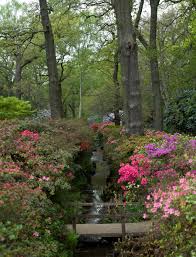
Introduction: The Jewel of London
Richmond Park, located in the London Borough of Richmond upon Thames, is not only one of the largest Royal Parks in London but also a vital green space for wildlife and outdoor enthusiasts. Covering 2,500 acres, it is home to over 600 deer and hosts an array of flora and fauna, making it a significant area for conservation and recreation. As urban spaces continue to expand, parks like Richmond serve as essential lungs for the city while offering a retreat for residents and visitors seeking solace in nature.
Wildlife and Conservation Efforts
Richmond Park was originally enclosed in the 17th century by King Charles I as a deer park. Today, it remains a haven for these animals, allowing visitors an opportunity to observe them in their natural habitat. In recent years, conservation teams have implemented strategies to protect the park’s ecosystems, focusing on managing the deer population to maintain biodiversity.
Not only is the park rich in wildlife, but it also features various habitats including ancient woodlands, grasslands, and wetlands. The park’s extensive biodiversity has prompted numerous educational programmes aimed at raising awareness regarding the importance of conservation and the environment.
Activities and Visitor Information
Richmond Park is popular with those looking for outdoor exercise, as it offers numerous walking, cycling, and running paths. The landscape consists of beautiful natural features, including ponds and panoramic views of London, particularly from the iconic viewpoint at King Henry’s Mound. Visitors can enjoy picnicking, bird watching, and even horse riding, thanks to the various riding routes available.
Aside from its natural beauty, Richmond Park also has several amenities, including cafes and visitor centres. The park is accessible year-round and is particularly popular during the spring and autumn when the foliage transforms, attracting photography enthusiasts and nature lovers alike.
Conclusion: A Fit for All
Richmond Park remains a critical natural asset for Londoners, providing a sanctuary where people can connect with nature and engage in outdoor activities. Its ongoing conservation efforts ensure that it remains a vibrant ecosystem for both wildlife and visitors. As urbanisation continues to encroach on green spaces, parks like Richmond Park are more vital than ever, reinforcing the need for accessible nature within city environments. Looking forward, ongoing public awareness and education on conservation are key to protecting this remarkable area, ensuring it can be enjoyed by future generations.



