Introduction
Tallinn, the capital of Estonia, has emerged as one of Europe’s most appealing destinations, known for its rich blend of medieval history and modern innovation. This UNESCO World Heritage Site combines stunning historic architecture with a thriving tech-savvy economy, attracting visitors from around the globe. Understanding Tallinn’s remarkable transformation and cultural significance is crucial as it showcases Eastern Europe’s revival and growth in the 21st century.
Historical Significance
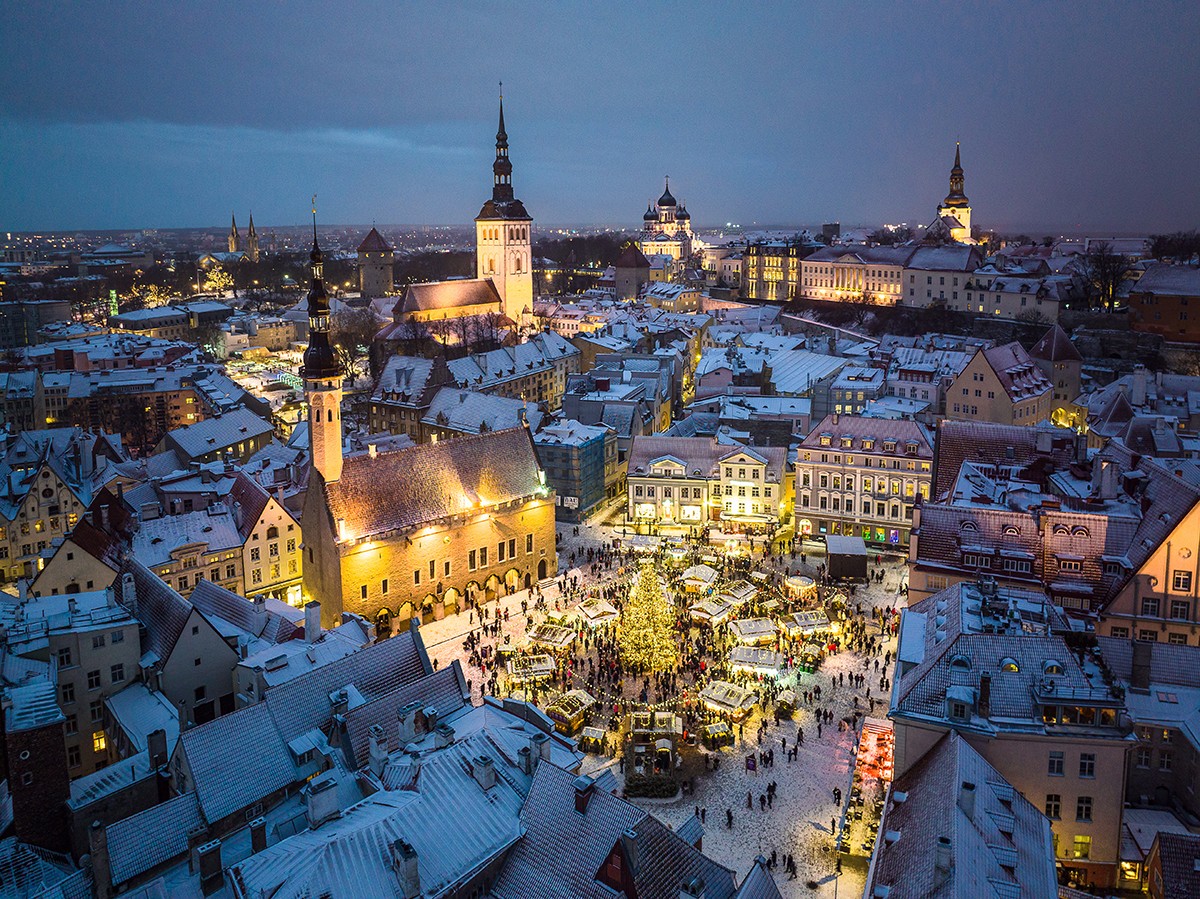
Founded in the early medieval period, Tallinn has been an important trading hub due to its strategic location on the Baltic Sea. The city has witnessed various cultural influences, from Scandinavian to German and Russian, which contribute to its unique architectural styles and diverse heritage. The Old Town, with its cobbled streets and preserved medieval buildings, is a focal point for tourists and locals alike, drawing admiration for its well-preserved Gothic architecture, such as the stunning Tallinna Raekoda (Town Hall).
Modern Attractions
In recent years, Tallinn has catapulted itself into the modern era, with booming tech industries making it one of the region’s digital capitals. The city’s vibrant startup scene is exemplified by initiatives like the e-Residency program, which allows entrepreneurs to establish businesses in Estonia from anywhere in the world. Additionally, visitors can enjoy contemporary art in areas like the Telliskivi Creative City, an artsy hub filled with galleries, shops, and restaurants that showcase Estonia’s modern creativity.
Cultural Events and Festivals
Tallinn’s cultural calendar is brimming with festivals that highlight its rich traditions and artistic talents. Events such as the Tallinn Music Week and the Tallinn Black Nights Film Festival attract international artists and audiences. The city’s identity is also celebrated through its seasonal events, including the Christmas Market in the Old Town, which transforms the square into a festive wonderland, complete with artisanal goods and local delicacies.
Conclusion
Tallinn stands out as a remarkable blend of history and modernity, making it a captivating destination for international travellers and local citizens alike. The city’s ongoing innovations in technology, combined with its commitment to preserving its historical heritage, position Tallinn as a dynamic example of Eastern Europe’s growth. As a preferred travel destination, it is anticipated that Tallinn will continue to flourish, drawing even more tourists eager to explore its unique and varied offerings.