Introduction
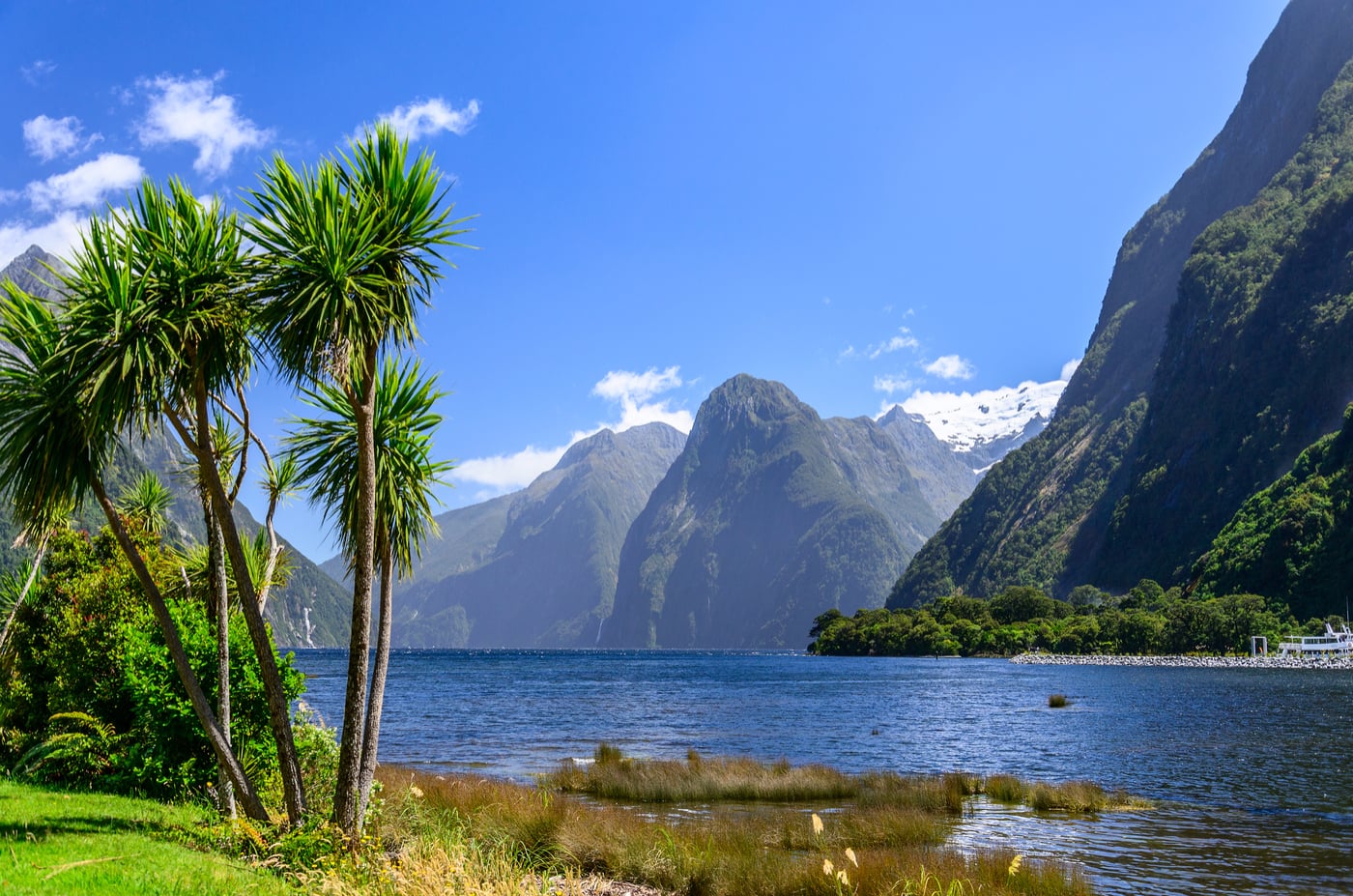
New Guinea, the world’s second-largest island, is a region of immense ecological and cultural diversity. With its breathtaking landscapes, from lush rainforests to majestic mountains, and its rich tapestry of indigenous cultures, the island has captivated researchers, adventurers, and tourists alike. Understanding New Guinea is vital not only for appreciating its unique environment and heritage but also for recognising its significance in global biodiversity and cultural studies.
Ecological Richness
New Guinea is renowned for its extraordinary biodiversity. The island is home to numerous unique species of flora and fauna, many of which are endemic. For example, the New Guinea tree kangaroo, various species of birds of paradise, and the rare birds such as the cassowary contribute to its reputation as a global biodiversity hotspot. Conservation efforts are increasingly critical, as habitat loss and climate change threaten these species. In recent years, organisations have ramped up initiatives to preserve endangered habitats and raise awareness about the importance of environmental conservation in the region.
Cultural Heritage
In addition to its ecological significance, New Guinea is also a cultural mosaic, featuring over 800 languages and a wealth of traditions and practices. Indigenous tribes such as the Asmat and the Huli have remained resilient in preserving their cultural heritage through art, dance, and customs. Recent cultural festivals that celebrate traditional music and dances have attracted attention and tourism, fostering a greater appreciation for the island’s rich history. Nonetheless, rapid development and external influences pose challenges to the preservation of these unique cultures.
Recent Developments
In 2023, New Guinea has seen increased international interest, particularly in ecotourism and research on climate resilience. The government, alongside NGOs, is working actively to promote sustainable tourism that benefits local communities while protecting the environment. Collaborations with foreign researchers have begun to focus on studying the impact of climate change in the region, which is vital given New Guinea’s vulnerability to environmental changes.
Conclusion
New Guinea represents a unique intersection of biodiversity and cultural diversity, making it a vital space for research and discovery. The ongoing efforts to balance tourism with conservation efforts are essential in preserving both the natural environment and the rich cultural traditions of its peoples. As the global community continues to confront environmental challenges, New Guinea stands as a crucial area of study and appreciation. Protecting its unique ecosystems and cultures will not only contribute to global biodiversity but will also enhance our understanding of human resilience in the face of change.