Introduction
Lesotho, a landlocked nation entirely situated in southern Africa, is renowned for its mountainous terrain and rich cultural heritage. Often referred to as the “Kingdom in the Sky,” it is a unique destination known for its stunning landscapes, vibrant traditions, and diverse wildlife. As global interest in travel and cultural experiences rises, understanding Lesotho’s significance in tourism and geopolitics is crucial.
Geography and Natural Features
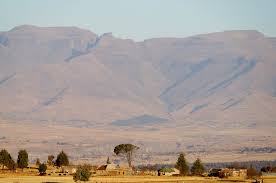
Lesotho is characterised by its remarkable topography, with most of the country lying at an elevation of over 1,400 metres above sea level, making it one of the highest countries in the world. The Maluti Mountains and the Drakensberg range offer breathtaking views and are home to numerous hiking trails. Notably, the Thabana Ntlenyana, at 3,482 metres, is the highest peak in southern Africa.
Cultural Significance
With a rich cultural tapestry woven through its tribes, especially the Basotho, Lesotho offers visitors a glimpse into traditional life. The people engage in vibrant ceremonies, music, and dance, bringing the nation’s history to life. The renowned Basotho blanket, a traditional wool garment, is more than just clothing; it represents identity, warmth, and a way of life.
Current Developments and Challenges
While Lesotho’s culture and geography continue to draw interest, it faces various challenges. Recent reports indicate that the country is grappling with high rates of poverty and unemployment, compounded by the ongoing effects of climate change impacting agriculture, which is vital for its economy. In response, the government, along with various NGOs, is working towards sustainable solutions to enhance food security and economic growth.
Tourism Growth and Opportunities
In recent years, tourism in Lesotho has seen a promising uptick. The government’s efforts to promote the country as a tourist haven have included showcasing its adventure offerings, including horse riding, skiing in the southern regions, and eco-tourism activities. Such initiatives are vital for boosting the local economy and providing employment opportunities.
Conclusion
Lesotho stands as a resilient nation with exceptional cultural and natural significance. As the global community becomes more engaged in sustainable tourism and cultural exploration, Lesotho has the potential to emerge as a key player in African tourism. By addressing its challenges and leveraging its unique strengths, it can create a promising future for its people, making it a vital area of interest for globe-trotters and policymakers alike.