Introduction
Alaska, often referred to as ‘The Last Frontier’, is a state renowned for its breathtaking landscapes, diverse wildlife, and rich Native heritage. As the largest state in the United States, it boasts vast uninhabited wilderness, stunning national parks, and a unique cultural fabric that intrigues both visitors and residents alike. Understanding the importance of Alaska helps to appreciate its natural resources and the preservation efforts critical for maintaining its ecosystems.
Geography and Climate
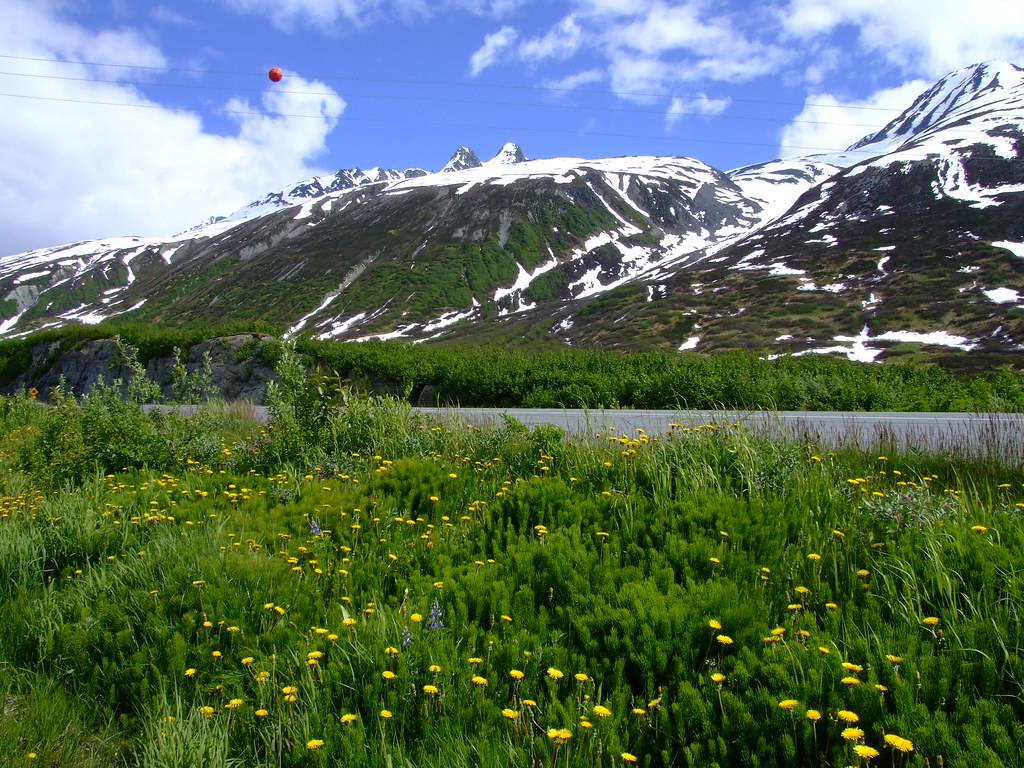
Occupying the extreme northwest of North America, Alaska spans over 663,300 square miles, featuring mountain ranges, forests, tundras, and numerous waterways. Among its prominent geographical features is Denali, North America’s highest peak, standing at 20,310 feet. The state’s varied climate can range from tundra in the north to maritime climate in the southeast, heavily influencing the lifestyle of its inhabitants and tourism industries.
Wildlife and Natural Resources
Alaska is home to an array of wildlife, including bears, moose, caribou, and whales, making it a popular destination for wildlife enthusiasts and photographers. The state’s natural resources, particularly its oil reserves, fisheries, and minerals, play a significant role in both the local and national economies. Recent studies indicate that efforts in sustainable fishing and oil extraction are likely to gain more momentum in response to increasing global environmental concerns.
Culture and Heritage
The rich cultural tapestry of Alaska is woven from the traditions of its Indigenous peoples and the influences of various settler groups over centuries. Languages such as Inupiat, Yup’ik, and Athabaskan are still spoken alongside English in many communities. Alaskan Native festivals showcase the traditional music, dance, and art forms that reflect the state’s history and connection to the land.
Recent Developments
In recent years, the state has faced unique challenges, including the impacts of climate change, which have accelerated the melting of glaciers and permafrost. Additionally, increased tourism has raised concerns regarding environmental preservation. Initiatives aimed at promoting sustainable tourism, alongside robust conservation strategies, are vital for preserving Alaska’s wilderness for future generations.
Conclusion
Alaska stands as a testament to the beauty of nature and the resilience of its people. As we learn more about this extraordinary place, it is crucial to advocate for policies that protect its environments and support its communities. With increasing global awareness and interest, Alaska’s future holds potential both for economic growth and environmental stewardship. Readers are encouraged to explore the state responsibly, ensuring that its majestic landscapes and rich cultures remain intact for years to come.