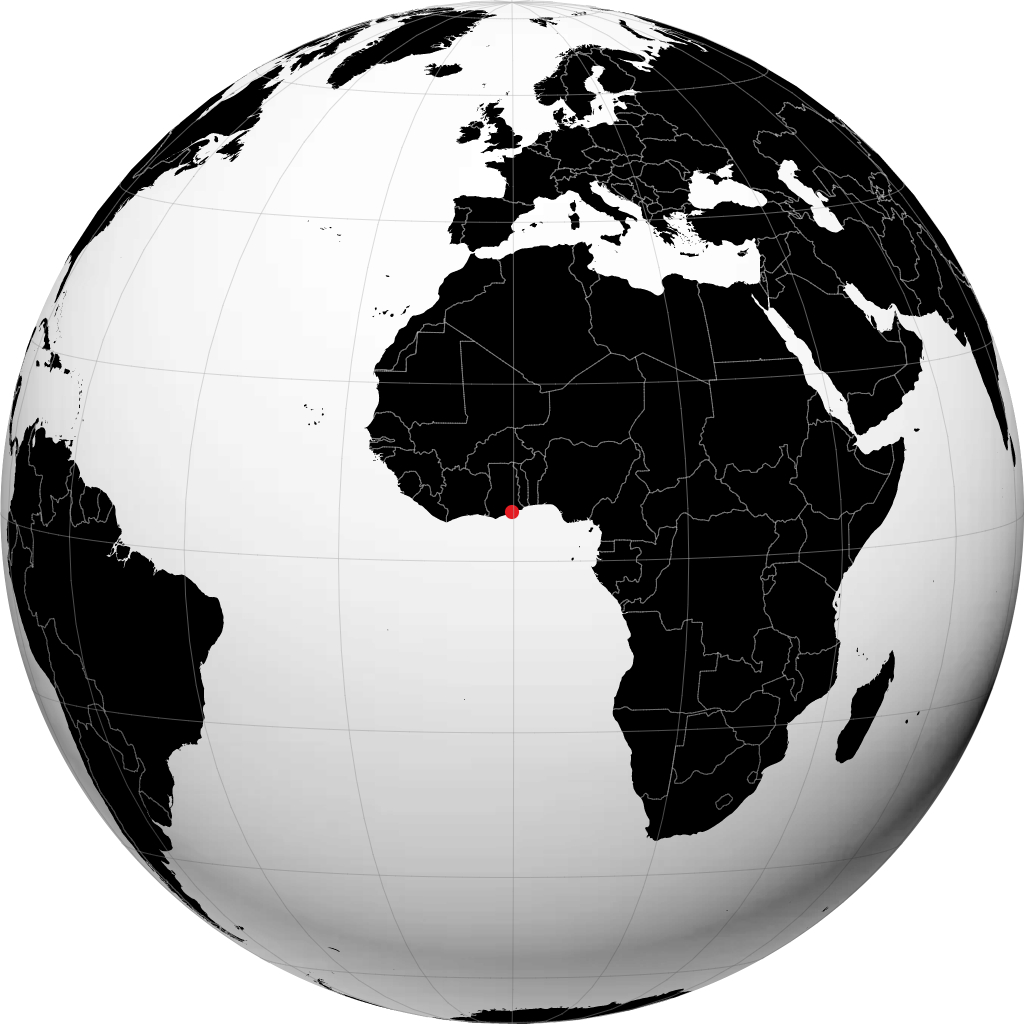
Introduction to Accra
Accra, the capital city of Ghana, plays a vital role in the nation’s identity, economy, and cultural heritage. It is one of West Africa’s largest cities and a melting pot of diverse cultures, attracting tourists, expatriates, and business professionals alike. As the political and economic centre of Ghana, understanding Accra’s relevance is essential for anyone interested in West Africa’s socio-economic landscape.
Historical Significance
Founded in the 15th century by the Ga people, Accra grew from a small fishing town to a bustling urban centre, primarily due to its strategic location along the Gulf of Guinea. Historical landmarks such as the Independence Arch and Kwame Nkrumah Mausoleum remind residents and visitors alike of the nation’s fight for independence from British colonial rule in 1957. Today, the city is not just a reminder of its past but a thriving area of development and growth.
Urban Development and Economy
Accra is undergoing rapid urbanisation and development. The aftermath of the COVID-19 pandemic has prompted innovative economic strategies that are reshaping its infrastructure. The government has initiated projects to expand roads, improve public transportation, and develop new residential complexes to accommodate the growing population. According to the Ghana Statistical Service, Accra’s population has surged to approximately 2.5 million, making effective urban planning essential.
Cultural Melting Pot
The cultural landscape of Accra is marked by rich traditions and vibrant festivities. Annual events, such as the Chale Wote Street Art Festival and Homowo Festival, attract international attention and showcase local talents. The city is also home to bustling markets, such as Makola Market and the Arts Centre, where visitors can experience local crafts, textiles, and cuisine. The arts scene is thriving, with numerous galleries and cultural institutions promoting Ghanaian heritage.
Conclusion: Accra’s Future
As Accra continues to evolve, its significance on the global stage is becoming increasingly apparent. With a focus on sustainable development and cultural preservation, the city aims to balance growth with its historical heritage. Looking forward, Accra’s role as a central hub for diplomatic, economic, and cultural activities in Africa is expected to strengthen, making it a focal point for investors and tourists alike. For those interested in the dynamic changes within West Africa, staying informed about Accra is crucial.