Introduction to Camp Nou
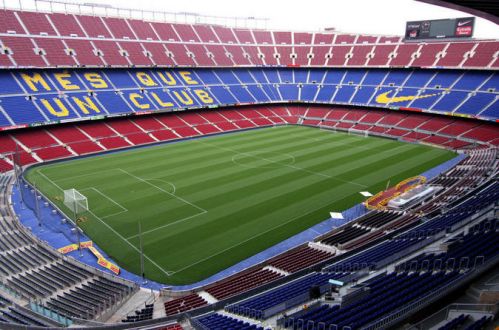
Camp Nou is not just a stadium; it is a historical landmark and the proud home of FC Barcelona. Since its inauguration in 1957, Camp Nou has been the heart of Spanish football, hosting numerous memorable matches and iconic events. Its significance goes beyond sport, as it represents the passion and culture of Catalonia, making it a key symbol in the region’s identity. With a capacity of 99,354, it is the largest stadium in Europe and has evolved to include modern amenities and facilities, accommodating fans from around the globe.
Recent Developments at Camp Nou
Recently, Camp Nou has been undergoing significant renovations as part of the Espai Barça project, which aims to modernize the stadium and its surrounding areas. The project, launched in 2019, includes extensive refurbishments that are set to enhance the experience for fans attending matches. The renovations are designed to offer better accessibility, improved seating, and upgraded technology, while preserving the rich legacy of the venue.
In 2023, FC Barcelona reported that the first phase of renovations, initially slated to cost around €600 million, has faced delays due to regulatory approvals and funding issues. However, the club remains optimistic and aims to complete the project by the summer of 2025, coinciding with the 2025 UEFA Champions League final, which has already been awarded to Barcelona.
Significance of Camp Nou
Camp Nou is not only vital for FC Barcelona, but it also plays a crucial role in the football culture of the region. The stadium has witnessed some of the most remarkable moments in football history, including legendary matches such as the UEFA Champions League finals and El Clásico matches against Real Madrid. It has been a venue for numerous international competitions as well, setting the scene for a series of unforgettable performances from some of the world’s greatest players, including Lionel Messi, Xavi, and Andrés Iniesta.
Additionally, the stadium is a hub for fans worldwide, offering stadium tours that allow visitors to explore its rich history, view trophies, and learn about the legends who have graced its pitch. Tourists flock to Camp Nou, making it one of the most visited attractions in Barcelona.
Conclusion
As Camp Nou continues to evolve through its renovation process, it remains a vital component of FC Barcelona’s identity and a significant cultural site. The stadium will not only preserve its rich history but also adapt to the future demands of football and hospitality. For fans and football enthusiasts, Camp Nou embodies the passion of the sport and the spirit of Catalonia, illustrating why it remains a quintessential pilgrimage site for football lovers everywhere.