Introduction
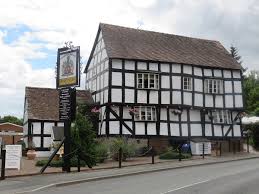
Tenbury Wells, a picturesque market town situated in the Worcestershire region of England, has recently garnered attention for its vibrant community spirit and historical significance. Nestled at the edge of the Clee Hills, this charming locale is known for its stunning architecture and rich heritage. The town’s relevance is underscored not only by its history but also by its role in the local economy and its appeal to visitors seeking a unique glimpse into rural English life.
Historical Significance
Founded in the 11th century and associated with the ancient market rights of its location, Tenbury Wells has a fascinating history that includes the influence of the River Teme and the development of the area as a spa town in the 19th century. Visitors can explore several historical landmarks, such as the iconic Tenbury Wells Pump Room and the grand church of St. Mary, which exemplifies Gothic Revival architecture. These sites highlight the town’s evolution over centuries and illustrate its significance as a health resort during the Victorian era.
Recent Developments
In recent years, Tenbury Wells has sought to revitalise its town centre with community initiatives geared towards enhancing local business and trades. This summer, the town launched its ‘Tenbury Together’ campaign, aimed at promoting local shops and encouraging community involvement. With various events ranging from farmers’ markets to seasonal festivals, residents and visitors alike can enjoy the town’s unique offerings while supporting local enterprises. Furthermore, infrastructure improvements — including enhanced pedestrian zones and better public transport links — have contributed to an increasingly accessible and welcoming atmosphere.
Community and Culture
Tenbury Wells prides itself on a strong sense of community, hosting several events throughout the year that engage residents and contribute to its vibrancy. The annual Tenbury Music Festival showcases local talent and attracts musicians from afar, while the Christmas market highlights artisanal crafts and local produce. Such events foster social connection and ensure that the town remains lively and attractive to both locals and tourists.
Conclusion
With its rich history, ongoing revitalisation efforts, and vibrant community life, Tenbury Wells is more than just a quaint market town; it is a model of how rural areas can blend heritage with modern initiatives. As it continues to adapt to contemporary needs while preserving its cultural significance, Tenbury Wells remains a notable destination for those looking to experience the charm of English countryside life. For residents and visitors alike, the future looks promising as this historic town evolves while maintaining its unique character.