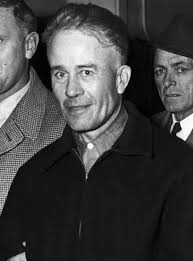
Introduction: The Infamous Case of Ed Gein
Ed Gein, a name that evokes horror and fascination, is one of America’s most notorious criminals. His gruesome acts in the 1950s have inspired countless books, movies, and documentaries. While much has been written about Gein’s crimes, a particularly intriguing question persists: did he kill a nurse? Understanding this aspect is crucial, not only to clarify existing myths but also to comprehend the extent of Gein’s horrifying legacy.
The Crimes of Ed Gein
Gein was arrested in 1957 after police discovered human remains alongside various body parts and items made from human skin in his Wisconson home. His heinous acts included the murder of two women, Mary Hogan and Bernice Worden, both residents of Plainfield. While Gein’s bizarre fascination with death and body preservation was the subject of intense media scrutiny, claims about him killing a nurse remain largely unsupported by credible evidence.
The Nurse Murder Myth
The myth that Ed Gein killed a nurse primarily stems from the sensationalism surrounding his criminal activities. The confusion is compounded by his known association with the disturbing practice of exhuming corpses and crafting items from them, which could easily fuel speculation about other possible victims. However, law enforcement and investigative records show no evidence or indication that he targeted and murdered a nurse specifically.
Public Fascination and Cultural Impact
Gein’s story has permeated popular culture, leading to a myriad of adaptations that often embellish or alter historical facts. This has likely contributed to the persistent rumor regarding the nurse. Movies such as “Psycho” and “The Texas Chainsaw Massacre” have drawn inspiration from his life, intertwining fictional elements with his real-life horrors, further clouding the lines of truth.
Conclusion: Misconceptions and Legacy
In conclusion, the question of whether Ed Gein killed a nurse appears to be more myth than fact. While he was undoubtedly a serial killer responsible for shocking crimes, the notion of him targeting a nurse specifically seems unsubstantiated. This misconception highlights the powerful influence of media narratives on public perception of true crime. For readers interested in criminal history, it is essential to approach these stories with caution and a critical eye, ensuring that facts and fables are distinguished as we delve into America’s dark past.