As the nation grapples with the implications of a prolonged government shutdown that began on February 14, the Department of Homeland Security (DHS) has taken a crucial step by recalling thousands of furloughed employees. On April 10, DHS issued a directive to bring back over 35,000 employees from agencies such as FEMA and CISA, allowing them to return to work and receive pay after a significant period without compensation.
DHS Chief Human Capital Officer La’ Toya Prieur emphasized the importance of this move, stating, “All DHS employees … are being returned to a work and paid status.” This decision comes as a relief to many who have been anxiously awaiting their paychecks during the funding gap.
While the recall of these employees is a positive development, it is important to note that they are currently barred from overtime and must limit their work to excepted functions. This measure aims to stabilize core functions within the department and enhance disaster response readiness, which is critical during times of crisis.
However, the situation remains precarious. The recall is viewed as a stopgap measure rather than a comprehensive solution to the funding issues facing DHS. The timeline for a resolution on Capitol Hill regarding DHS funding is still unclear, leaving many employees and their families in a state of uncertainty.
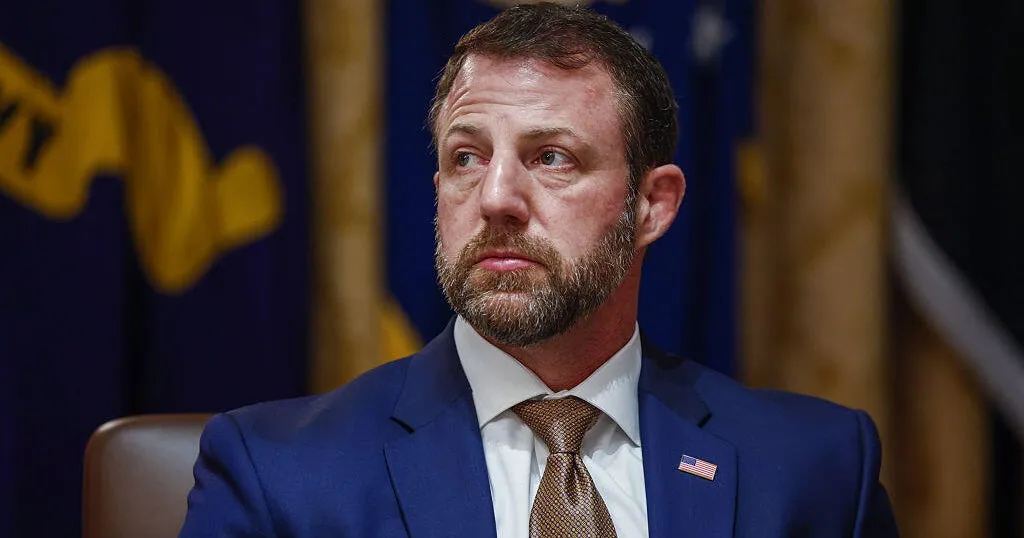
Markwayne Mullin, a prominent figure in the discussions surrounding the funding, remarked, “The majority of everybody will be paid by then,” referring to the anticipated timeline for resolving the funding crisis. Yet, the implications of recalling furloughed employees raise legal and budgetary questions, particularly concerning the Antideficiency Act.
As recalled employees return to their posts, they are reminded that failure to report for duty as directed may result in administrative or disciplinary action. This underscores the seriousness of the situation and the need for compliance during this challenging time.
Historically, during lapses in federal funding, only excepted employees continue working, usually without pay. This scenario has left many in the DHS community feeling the strain of uncertainty, as future checks for DHS employees depend entirely on lawmakers’ actions regarding funding.
Details remain unconfirmed regarding the long-term implications of this recall on legal and budgetary matters. As the community watches closely, the hope is that a resolution will come soon, allowing for a more stable future for all DHS employees and the vital services they provide.