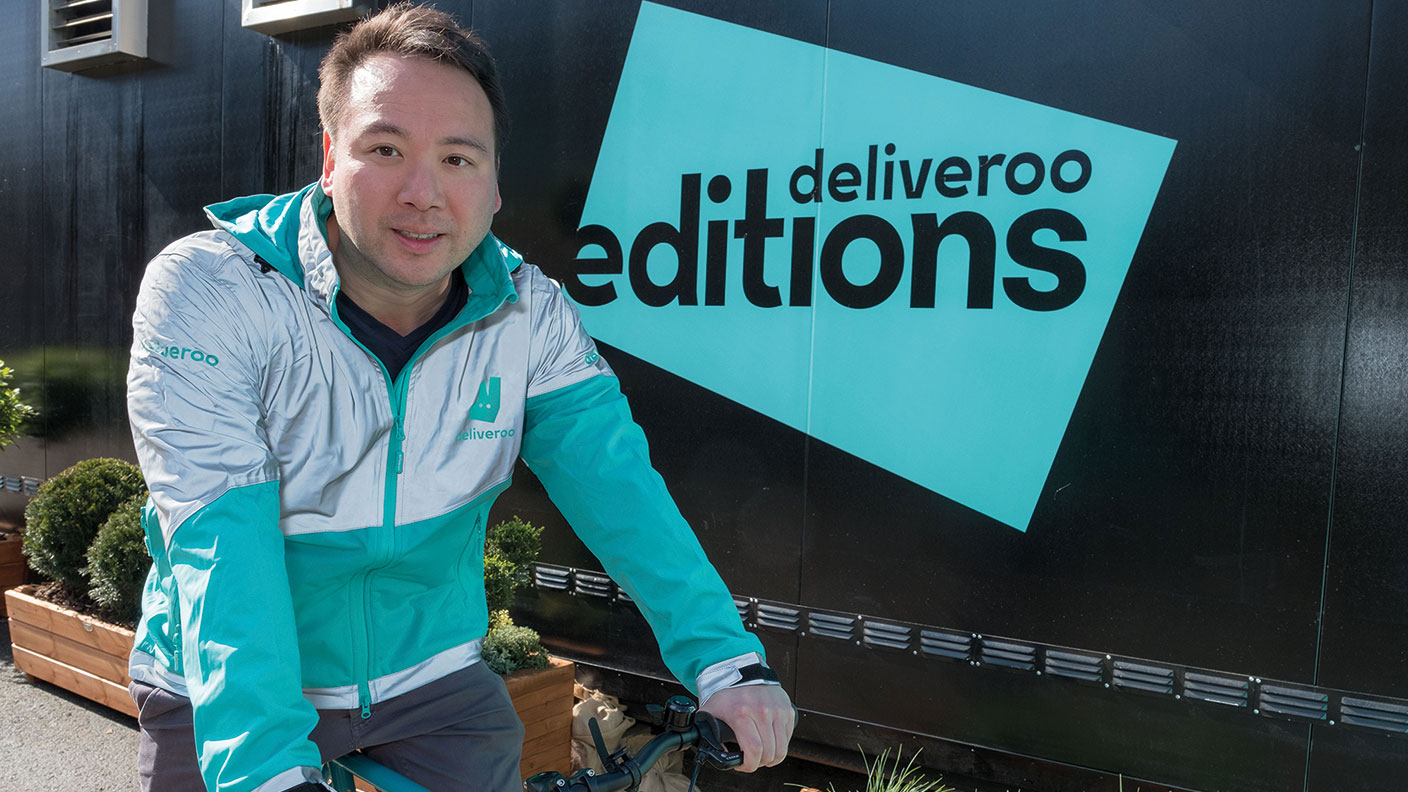
The Current State of Deliveroo
Deliveroo, the UK-based food delivery service, has recently announced significant changes to its operations, leading to speculation about a potential shutdown in several international markets. This announcement follows an ongoing struggle within the food delivery industry, influenced by various economic factors and changing consumer behaviours.
Details of the Announcement
In a press conference held earlier this week, Deliveroo’s CEO, Will Shu, outlined the company’s future strategies, which include trimming down operations in underperforming regions. This strategic shift has been prompted by a combination of rising operational costs, increased competition, and a decline in consumer demand as the world gradually returns to pre-pandemic norms. As a result, the company is reviewing its presence in markets outside the UK to focus more on its home turf.
Impact on Stakeholders
The closure of operations in select regions could lead to job losses for many gig workers who rely on Deliveroo for their income. Estimates suggest that thousands of riders could be affected if the decision to withdraw from these markets goes ahead. Furthermore, local restaurants that partnered with Deliveroo may face challenges in adjusting to the sudden loss of a major revenue source. Industry analysts predict that this could lead to a rise in partnerships with alternative delivery services, as restaurants scramble to replace lost channels.
CEO’s Vision for the Future
Despite the foreboding news, Will Shu remains optimistic about the company’s core markets in the UK and is focused on enhancing operational efficiency. He mentioned investing in technology and exploring new delivery solutions to better serve customers. The focus, he claims, will now shift towards sustainability and better rider benefits in a bid to retain talent amid fierce competition.
Conclusion
The potential shutdown of Deliveroo’s operations in various markets is a significant development in the food delivery sector. As another player reduces its footprint, the implications for the gig economy and local businesses could be widespread. Looking ahead, it will be crucial for the company to implement strategies that not only safeguard its position in the UK but also ensure that its remaining services are sustainable and adaptive to current consumer demands. Stakeholders, ranging from riders to restaurateurs, will have to adeptly navigate this transition and identify new opportunities for growth in an evolving landscape.