How it unfolded
As Springfield, Oregon, approached the end of the fiscal year on March 31, 2026, the Springfield Public Schools (SPS) district was grappling with a significant budget deficit. Initially estimated at $10.4 million, the deficit had been reduced to $7.9 million, thanks to a series of strategic measures. However, the financial strain on the district was palpable, as it faced challenges stemming from declining enrollment and rising operational costs.
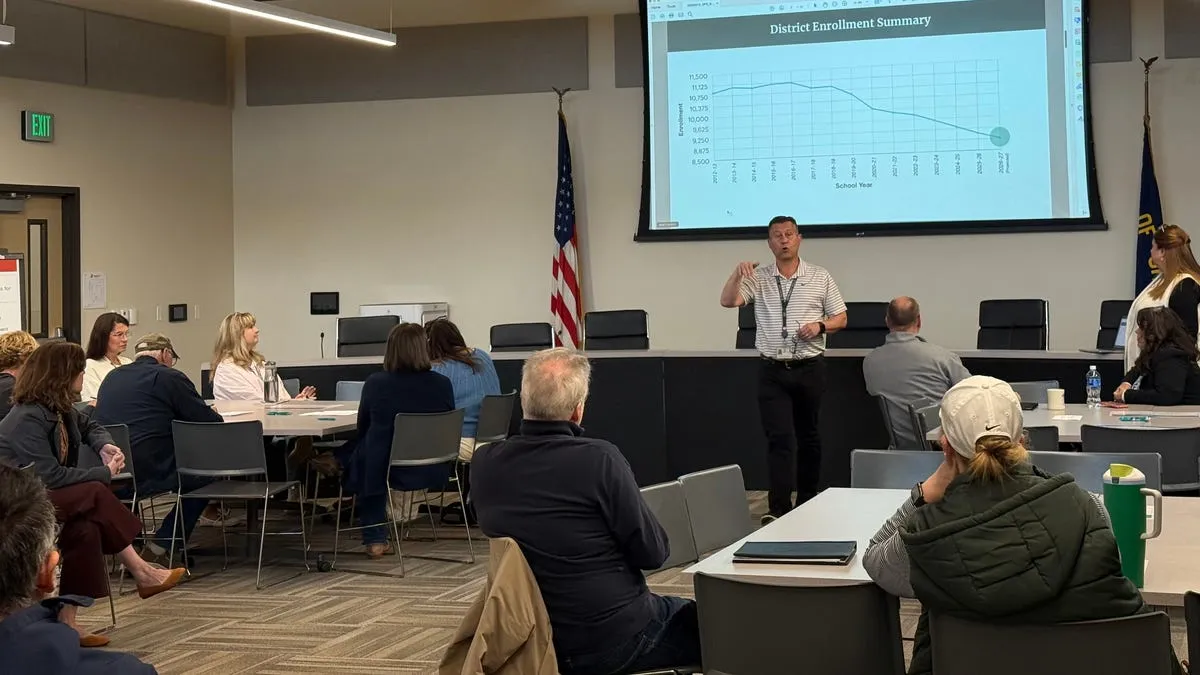
In recent years, enrollment at Springfield Public Schools has decreased by over 2,000 students since the 2016-17 school year. This decline has directly impacted the district’s funding, leading to tough decisions. In January, the district laid off 27 licensed employees as part of its efforts to address the budget shortfall. The situation prompted the district to impose a hiring freeze and reallocate capital dollars to manage the deficit more effectively.
On March 30, 2026, the first of four community forums was held, where district officials, including Brett Yancey, the chief operations officer for SPS, emphasized the importance of community feedback in determining budget priorities. “The district is holding four community forums to get feedback and find out priorities,” Yancey stated, highlighting the collaborative approach the district is taking to navigate these challenges.
As the community engages in discussions about the budget, the financial landscape for other local school districts is also concerning. The Eugene School District 4J is facing a staggering shortfall of up to $50 million, while the Bethel School District operates on a $1.8 million deficit and has made the difficult decision to close Shasta Middle School. These developments underscore the broader financial challenges facing education in the region.
Springfield Public Schools has approximately $150 million allocated for its general fund, with 79% of this budget dedicated to compensation for staff. The budget shortfall represents about 5% of the general fund budget, which raises questions about the sustainability of current staffing levels and services provided to students. The district expects to spend down approximately $6.7 million of its reserves this year, leaving it with an estimated $14.2 million in reserves after the expenditure.
As the community forums continue, there is an air of uncertainty regarding the future of staffing and resources within the district. Yancey noted, “It’s likely more staff reductions will come, as Yancey pointed out that 79% of the district’s general fund goes toward compensation.” This reality poses a significant concern for educators and families alike, as the district seeks to balance fiscal responsibility with the need to provide quality education.
The budget deficit faced by Springfield Public Schools is not just a financial issue; it is a community concern that affects students, teachers, and families. As the district navigates these challenges, the involvement of the community will be crucial in shaping the future of education in Springfield. The outcome of these forums and the decisions made in the coming months will have lasting implications for the district’s ability to serve its students effectively.
In the face of these challenges, Springfield’s commitment to engaging with its community reflects a hopeful approach to overcoming the budget deficit. By prioritizing dialogue and collaboration, the district aims to find sustainable solutions that will benefit all stakeholders involved in the educational process.