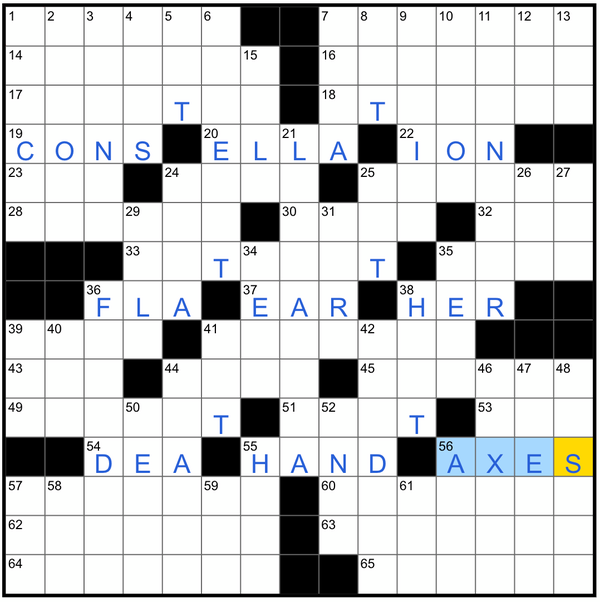
The Rise of Crossword Puzzles
Crossword puzzles have enjoyed immense popularity in the United States and around the world for decades. Among them, the New York Times (NYT) crossword is particularly famous, attracting a dedicated readership of puzzle enthusiasts. This crossword is not only a leisure activity but also a reflection of culture, language, and current events. Understanding the clues and styles employed in the NYT crossword can significantly enhance the enjoyment and challenge of solving these puzzles.
Types of Clues
The NYT crossword is known for its diverse and creative clues that can range from simple definitions to complex wordplay. Some common types of clues include:
- Straightforward Definitions: These clues are direct and often provide synonyms for the answers, such as “Solid waste material (5 letters)” leading to the answer “STOOL”.
- Wordplay and Puns: These clues may involve clever twists, such as a pun or double meaning. For example, “Breadwinner?” could refer to “LOAF”.
- Fill-in-the-blank: These clues resemble a sentence with a missing word, useful for providing context and hints.
Current Trends in NYT Crossword Clues
The NYT crossword continues to evolve, reflecting contemporary language and culture. Recent trends have seen the inclusion of more diverse voices and themes related to social justice, pop culture, and current events. In response to the changing dynamics of society, many clues now incorporate modern terminology, slang, or references that resonate with younger solvers.
Tips for Solving NYT Crossword Clues
For both novice and seasoned solvers, here are a few tips to navigate the challenges of the NYT crossword:
- Start with the Easier Clues: Focus initially on the clues you find easier. This can help you fill in some letters that can guide you to solve tougher clues.
- Look for Themes: Each week often has a specific theme reflected in the longest answers or in the clues themselves. Identifying it can give context to more challenging clues.
- Use Cross-Referencing: Leverage the letters already filled in from intersecting words to deduce potential answers for clues that remain unsolved.
Conclusion
The NYT crossword is more than just a puzzle; it is a cultural phenomenon that captures linguistic creativity and societal shifts. With its varied clue types and evolving trends, solvers are continuously challenged to think outside the box. For readers and crossword enthusiasts, enjoying and mastering these clues not only enhances their puzzle experience but also encourages critical thinking and language skills. As the NYT crossword continues to adapt and grow, it remains a significant feature in American culture, promising new and thrilling adventures for solvers each day.



