Introduction
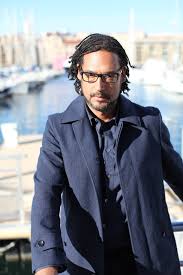
David Olusoga is an esteemed historian, author, and broadcaster renowned for his work in reshaping the narrative surrounding British history, particularly regarding race and the British Empire. His contributions are significant in contemporary discussions about historical representation, making him a vital figure in current debates around history and identity.
Recent Contributions and Influence
In 2020, Olusoga’s work gained considerable attention with the broadcasting of the BBC series ‘Statues Remain,’ which examined the complex legacies of historical figures commemorated in public life. This series sparked crucial conversations about the impact of colonial history on modern Britain, highlighting how figures like Edward Colston and Cecil Rhodes are viewed in today’s society. Furthermore, his documentary ‘Black and British: A Forgotten History’ was pivotal in expanding awareness about the contributions of Black individuals in Britain, offering a more inclusive historical perspective.
Recently, Olusoga has been vocal in discussions about curriculum reforms in schools, advocating for a more accurate and comprehensive teaching of Britain’s colonial past. His opinion pieces and public talks underscore the importance of acknowledging the complexities of history in educational settings. By pushing for a more nuanced understanding of figures and events from the past, he aims to foster a society that is better informed and less prone to repetition of historical injustices.
Recognition and Awards
As a respected scholar, Olusoga’s work has been recognised with several awards, including the Royal Historical Society’s Whitfield Prize, and he has been appointed as a Professor of Public History at the University of Manchester. His ability to make history accessible to a broad audience has established him as a prominent voice in the academic and public spheres alike, making significant strides towards decolonising historical narratives.
Conclusion
David Olusoga’s work is more relevant now than ever, as societal discussions regarding race, identity, and the consequences of colonialism continue to evolve. His insightful perspectives encourage reflection and dialogue on these critical issues, signalling a growing recognition of the need for inclusivity in historical narratives. As educators and historians grapple with how to represent the past honestly, Olusoga’s influential scholarship will likely remain a guiding force in shaping the future of history education and public understanding in the UK and beyond.