Introduction
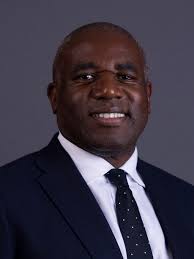
David Lammy has emerged as a prominent figure in British politics, serving as the Shadow Foreign Secretary since 2020. His career, marked by a commitment to social justice and international relations, highlights the role of politicians in addressing pressing global issues, especially in the context of a rapidly changing political landscape. As discussions around foreign policy, climate change, and immigration intensify, Lammy’s insights and experiences are becoming increasingly relevant both nationally and internationally.
Political Background and Career
David Lammy was first elected as the Member of Parliament (MP) for Tottenham in 2000. He quickly gained recognition for his advocacy on various social issues, including education, innovation, and civil rights. A graduate of the University of London, he has also earned a degree from Harvard University, which adds a prestigious background to his political credentials.
In recent years, Lammy has been vocal on numerous issues, including Brexit and its implications for British citizens and foreign relations. He has played a critical role in challenging government policies, and his direct engagement with the public resonates with his constituents. His candid approach has garnered significant media attention, reinforcing his position as a key player in Labour’s political strategy.
Current Initiatives and Focus Areas
As Shadow Foreign Secretary, Lammy has focused on several key initiatives, including advocating for a stronger human rights agenda and promoting global cooperation on climate change. He has called for a more compassionate immigration policy and emphasized the importance of Britain’s role in international diplomacy.
Notably, in response to the ongoing humanitarian crises around the world, Lammy has urged the UK government to do more to support refugees and vulnerable populations. His recent speeches have highlighted the importance of international partnerships and the need for a cooperative approach to global challenges. Lammy’s active participation in discussions surrounding current events, such as the Ukraine conflict and relations with Russia, reflects his commitment to effective and humane foreign policy.
Conclusion
David Lammy’s influence in British politics continues to grow as he addresses critical global issues with urgency and thoughtfulness. His track record demonstrates an unwavering commitment to social justice, making him an essential voice in discussions shaping the future of the UK and its role on the world stage. Moving forward, observers may expect Lammy to remain at the forefront of political debates, influencing policy and public perception as the complexities of international relations evolve in the coming years.



