Introduction
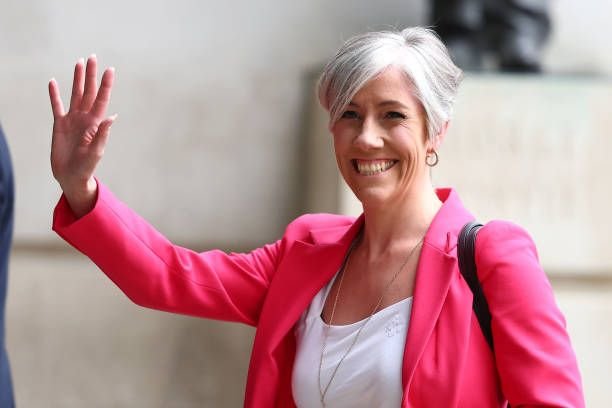
Daisy Cooper has emerged as a significant figure in UK politics, representing the Liberal Democrats as the MP for St Albans since the 2019 general election. Her ascent in the political landscape is not only a testament to her dedication but also highlights the importance of fresh perspectives within the political arena. As the UK continues to grapple with complex challenges like Brexit, climate change, and public health, Cooper’s role is becoming increasingly vital in shaping policies that resonate with the electorate.
Early Life and Career
Born on June 24, 1980, in Kent, Daisy Cooper grew up in a politically-engaged family. She studied History at the University of Sussex and later worked in various roles that combined her interests in public policy and community work. Before her election, Cooper was involved with the Liberal Democrats in various capacities, including working as a parliamentary assistant and serving as the party’s spokesperson on Health and Local Government.
Political Achievements
Since taking office, Daisy Cooper has focused on several key issues, including affordable housing, mental health services, and education reform. In a recent speech to Parliament, Cooper highlighted the need for increased funding for mental health services, especially in the wake of the COVID-19 pandemic. Her committee work on the Public Accounts Committee and her vocal stance on climate action has earned her respect across the political spectrum.
Recent Developments
In light of the upcoming 2024 local elections, Cooper has been proactive in rallying support for her party. She aims to connect with constituents through community outreach programs and engaging social media campaigns, often addressing the needs and concerns of her electorate directly. As the Liberal Democrats strategise their approach to the elections, her leadership and insights are poised to galvanise support and rejuvenate the party’s presence in the region.
Conclusion
Daisy Cooper’s rise in UK politics signifies a shift towards embracing new voices and ideas within traditional party structures. Her commitment to pressing issues such as mental health, education, and environmental concerns resonates well with an electorate eager for change. As the political landscape evolves, Cooper is likely to play a crucial role in shaping not only local policies but also influencing national dialogue in the years to come. Observers and constituents alike are watching closely as she continues to navigate the complexities of political life, championing issues that matter most to the people she serves.