Introduction
Curtis Sliwa, a prominent figure in New York City’s community safety narrative, is best known for founding the Guardian Angels, a volunteer safety patrol aimed at combatting crime. His work has made significant contributions to public safety, paving the way for greater community engagement and activism. In an era where crime rates have become a topical issue, Sliwa’s resilience and commitment to community service remain highly relevant, garnering both support and criticism.
The Rise of Curtis Sliwa
Born on March 26, 1954, in the borough of Brooklyn, Curtis Sliwa’s activism began in the late 1970s, when he founded the Guardian Angels. The organisation, consisting of unarmed members who patrol streets wearing their signature red berets, was born out of a desire to fill a perceived gap in public safety where police forces were deemed inadequate. Sliwa’s dynamic approach to community care has inspired numerous urban dwellers to take an active role in their surroundings, igniting a movement emphasising personal accountability.
Current Events and Challenges
In recent months, Curtis Sliwa has once again gained attention due to rising concerns around crime rates in New York City. Following a notable increase in incidents such as subway violence and quality-of-life crimes – issues that Sliwa has openly addressed – he has resumed high-profile patrols with the Guardian Angels. In October 2023, Sliwa participated in a city-wide initiative, spearheading workshops on self-defence and community safety, emphasising that collaboration between residents and law enforcement is essential to reclaiming the streets.
Political Aspirations
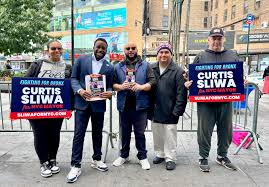
Beyond his community work, Sliwa remains a figure in the political arena. In 2021, he ran for mayor of New York City as a Republican candidate, advocating for stronger public safety measures and community involvement. Although he did not win the election, his platform attracted significant attention, especially concerning his public safety proposals. As New York City continues navigating through complex socio-economic challenges, Sliwa’s voice as an advocate for safer communities is more important than ever.
Conclusion
Curtis Sliwa’s impact on New York City and the national conversation about community safety is undeniable. As crime remains a pressing concern for many urban areas, Sliwa’s work reflects a broader call for citizens to engage actively in their communities. Whether through the Guardian Angels or potential political engagement, his commitment to fostering safer streets inspires hope and action in those who believe in the power of community. Looking ahead, it will be interesting to see how his initiatives continue to evolve alongside New York’s changing landscape.