Introduction
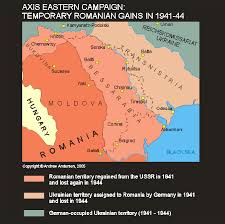
Moldova, a small country located in Eastern Europe, has become increasingly significant in recent years due to its strategic location between Romania and Ukraine. As a nation striving for stability and economic growth amidst geopolitical tensions, understanding Moldova’s current political and economic climate is crucial. The relevance of these developments extends beyond its borders, impacting regional relationships and European dynamics.
Political Landscape
In the past year, Moldova has seen substantial political shifts, particularly following the 2021 parliamentary elections that led to a pro-European government led by President Maia Sandu. The Sandu government has focused on implementing reforms aimed at fighting corruption and enhancing governance. Recent polls indicate strong public support for maintaining a pro-European orientation, even as challenges persist, such as the need for judicial reforms and combating the influence of oligarchs.
Moreover, Moldova’s relationship with its breakaway region, Transnistria, continues to be a point of contention. The situation in Transnistria, a region with a significant Russian military presence, poses a challenge for the central government and has implications for Moldova’s bid for closer integration with the European Union (EU).
Economic Developments
Economically, Moldova remains one of Europe’s poorest countries, grappling with significant issues such as high migration rates and reliance on remittances. However, the government’s ambitious reform agenda aims to stimulate economic growth. In 2023, Moldova’s GDP showed signs of recovery, boosted by increased exports and a rebound in the agricultural sector, which is crucial for the economy. Additionally, the EU has continued to support Moldova through various financial packages aimed at improving infrastructure and enhancing trade relationships.
Conclusion
The significance of Moldova on the European stage cannot be overstated. As the country navigates its political and economic challenges, its pro-European stance serves as a counterbalance to the influence of Russia in the region. For readers, staying informed about Moldova’s developments is essential, as these changes not only impact the nation but also offer insights into the broader geopolitical landscape in Eastern Europe. The future of Moldova lies in its ability to enact reforms and foster international cooperation, which will determine its role in Europe and beyond.



