Introduction
The Gaza Strip, a small Palestinian territory bordered by Israel and Egypt, has become a focal point of international attention due to its ongoing conflict and humanitarian crises. The region, home to over two million Palestinians, is marked by frequent violence, political instability, and challenging living conditions. Recent developments in the Gaza Strip are critical not only for the immediate residents but also for regional stability and international relations.
Recent Developments
In recent weeks, hostilities in the Gaza Strip have escalated sharply. Clashes between Hamas, the ruling authority in Gaza, and the Israeli Defence Forces (IDF) intensified after a series of rocket attacks launched from the territory. According to reports, over 200 rockets were fired into southern Israel in a single day, prompting retaliation by the IDF, which has targeted key facilities believed to be associated with Hamas.
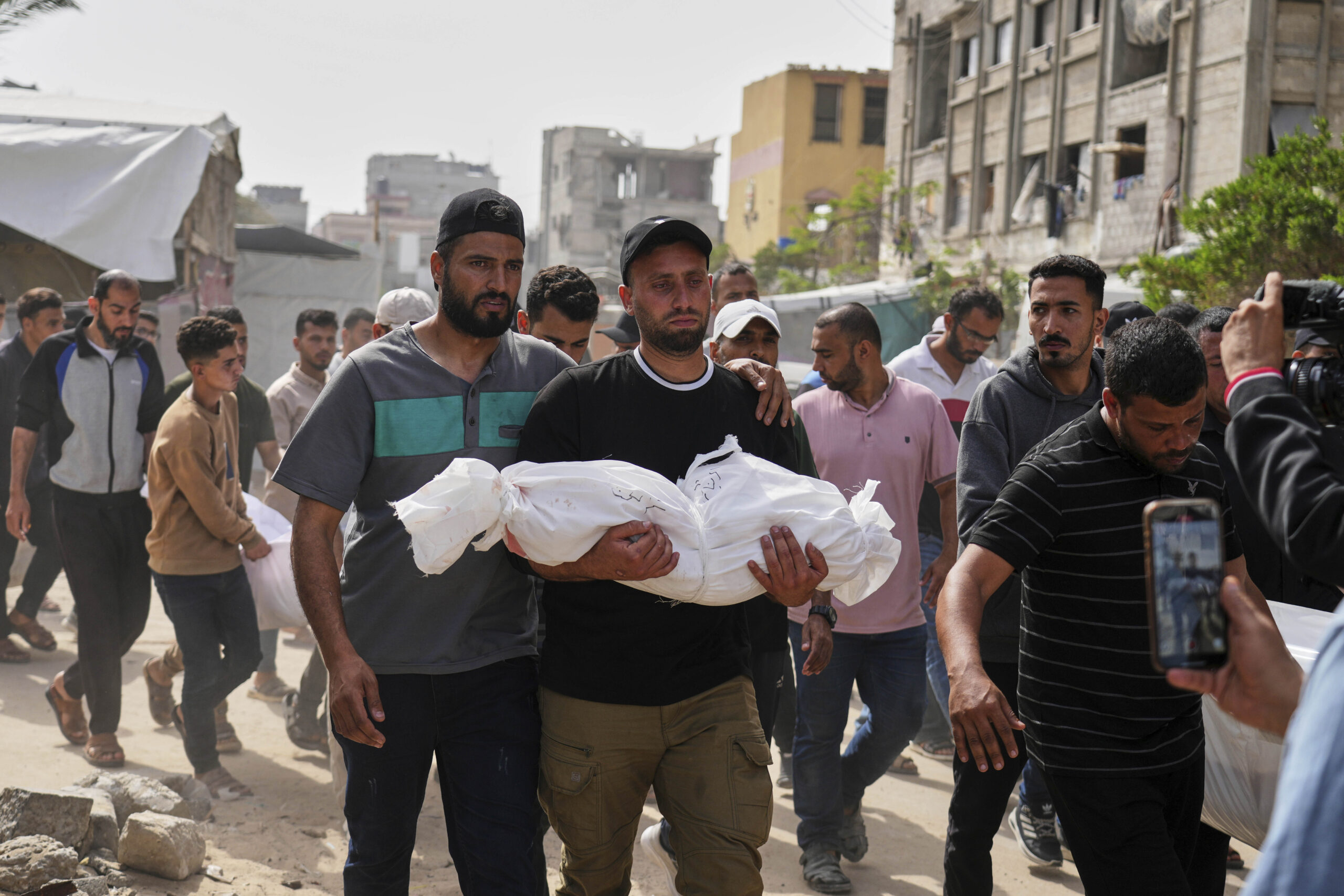
The situation worsened further following a controversial Israeli air strike on a refugee camp in Gaza, which led to civilian casualties, including women and children, exacerbating the already dire humanitarian situation. Human rights organisations have condemned the attack, urging for immediate ceasefire dialogues. United Nations representatives have called for both sides to de-escalate the violence and return to negotiations aimed at achieving a long-term solution.
The Humanitarian Impact
For the inhabitants of the Gaza Strip, the cycle of violence has resulted in significant hardships. The region already faced challenges with high unemployment rates, limited access to clean water, and inadequate medical facilities exacerbated by the ongoing blockade imposed by Israel and Egypt. The United Nations has reported that approximately 80% of the population relies on humanitarian assistance. As conflict persists, the delivery of essential supplies has become increasingly difficult, leading to a worsening humanitarian crisis.
Reactions and Future Outlook
International reactions to the latest developments have been mixed, with various governments and organisations calling for restraint from both sides. The European Union and the United States have reiterated their support for a two-state solution, emphasizing the need to address the underlying issues fueling the conflict, including territorial disputes and refugee rights.
Looking ahead, the future of the Gaza Strip remains uncertain. Analysts predict that without a sustainable peace agreement and significant international intervention, the cycle of violence will likely continue, furthering the humanitarian plight of millions and threatening regional stability. The international community must engage vigorously to mediate and foster dialogue towards a resolution to this protracted conflict.
Conclusion
The dynamics of the Gaza Strip continue to be of paramount importance in understanding Middle Eastern politics and humanitarian issues. As hostilities and humanitarian concerns escalate, it remains crucial for the global community to remain informed and involved in seeking lasting solutions.