Introduction
Iraq has been at the centre of geopolitical discussions for decades, serving as a critical region in the Middle East with significant historical and cultural importance. With ongoing political transitions, security challenges, and economic developments, understanding the current events in Iraq is vital not only for its inhabitants but also for the broader international community seeking stability in the region.
Political Landscape
Recently, Iraq’s political landscape has been marked by a series of protests and demands for reform. The government led by Prime Minister Mustafa Al-Kadhimi has faced criticism over its handling of corruption and its inability to deliver basic services. The protests highlight the frustrations of the Iraqi populace, who are calling for greater accountability and improvements in living conditions. In September 2023, Al-Kadhimi announced new measures aimed at addressing these concerns, promising to fight corruption and enhance economic opportunities.
Security Situation
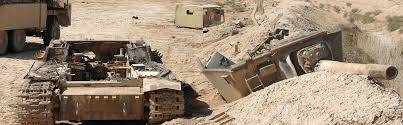
On the security front, Iraq has witnessed a resurgence of violence, primarily from remnants of the Islamic State (IS). Although the group was declared defeated in 2017, sporadic attacks have continued, particularly in rural areas. The Iraqi Security Forces (ISF) have intensified operations to dismantle IS cells, reporting multiple successful raids in recent months. The US has also reaffirmed its commitment to support Iraq’s security forces, evident through military training and logistical aid supplied as of October 2023.
Economic Developments
Economically, Iraq’s reliance on oil revenues remains a critical issue. Oil prices have experienced fluctuations, impacting the national budget. As of October 2023, the government has initiated several projects focusing on diversifying the economy by promoting investment in agriculture, tourism, and renewable energy. Additionally, discussions are underway to attract foreign investors to strengthen the economy and create job opportunities.
Conclusion
The situation in Iraq continues to evolve as the government navigates the complexities of political reform, security challenges, and economic diversification. The outcomes of these developments will have significant implications not just for Iraqis, but also for regional stability. As Iraq strives for a prosperous future, the international community watches closely to support and engage in constructive dialogue, ensuring that the lessons learned from the past can guide a path forward.