Introduction
The ongoing conflict between Russia and Ukraine continues to dominate global headlines as geopolitical tensions escalate and humanitarian crises unfold. Understanding the latest developments is crucial for comprehending the regional dynamics and the wider implications for international relations. As the situation evolves, it remains essential to stay informed about the latest events and humanitarian efforts in the region.
Recent Events
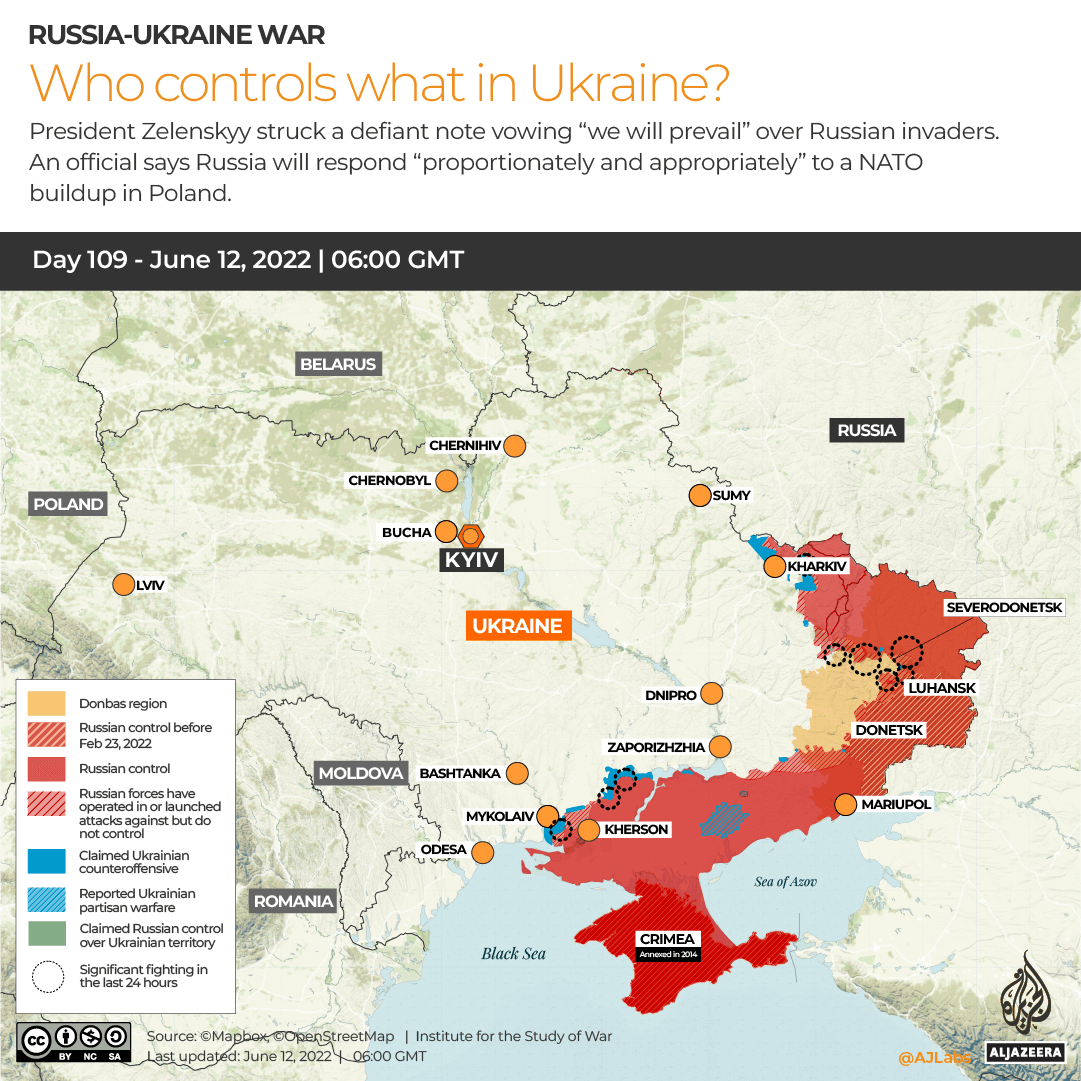
In recent weeks, the conflict has seen significant developments. Reports indicate an increase in military engagements along the eastern frontline, particularly in the Donetsk and Luhansk regions. Ukrainian armed forces have been launching counteroffensive operations aimed at regaining territory occupied by Russian-backed separatists, while Russia has ramped up air strikes in response. According to the Ukrainian Ministry of Defence, recent clashes have resulted in heavy casualties on both sides, highlighting the ongoing intensity of the conflict.
Additionally, diplomatic efforts have intensified, with representatives from various countries engaging in discussions to seek a resolution. The United Nations has called for an emergency meeting to address the escalating violence and humanitarian crisis, emphasizing the urgent need for ceasefires and humanitarian aid access. Furthermore, NATO and other allied countries continue to provide Ukraine with military assistance, further aggravating tensions with Russia.
Humanitarian Impact
The war has also led to one of the largest humanitarian crises in Europe in recent decades. Millions of displaced individuals have fled to neighbouring countries seeking safety, primarily Polish and Romanian borders. According to the United Nations High Commissioner for Refugees (UNHCR), as of October 2023, over 8 million people have been internally displaced within Ukraine, while more than 5 million have sought refuge in other countries.
The humanitarian needs are dire, with food and medical supplies running low in many affected regions. Humanitarian organisations are on the ground providing assistance, but they face significant challenges in accessing some areas due to ongoing fighting.
Conclusion
The Russian-Ukraine conflict shows no signs of abating, with recent military escalations and humanitarian challenges underscoring the urgent need for a resolution. As the international community observes closely, the balance of power in Eastern Europe remains fragile, impacting global stability. It is crucial for readers to stay informed about developments as they could signal shifts in international relations, military strategy, and humanitarian responses as the situation evolves.