Introduction
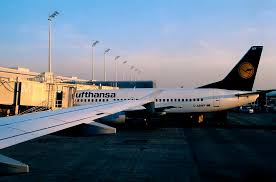
Munich Airport (München Flughafen) is Germany’s second busiest airport and a crucial hub for international and domestic air travel. Serving over 48 million passengers in 2019 alone, it plays a vital role in connecting Europe with the rest of the world. As travel restrictions ease post-pandemic and with European summer travel approaching, the airport’s operations are increasingly relevant for both travellers and airlines alike.
Recent Developments
As of October 2023, Munich Airport is experiencing a resurgence in passenger traffic, with flight operations returning to near pre-pandemic levels. This recovery is largely attributed to the increased demand for both leisure and business travel. Notably, the airport has rolled out several new flights to Asian destinations including Tokyo and Beijing, signalling a strengthened connectivity between Europe and Asia. Moreover, the expansion of services such as direct flights to the United States has made it an attractive choice for transatlantic travellers.
In addition to enhancing connectivity, Munich Airport has invested substantially in improving passenger experience. Recent upgrades include the expansion of duty-free shopping areas and the introduction of advanced biometrics at security checks, which aim to expedite the overall customer experience. The airport’s management has also announced plans to further develop the regional transport links connecting the airport, including connections to the Munich S-Bahn and tram lines, making access even easier.
Environmental Considerations
In its ongoing commitment to sustainability, Munich Airport has been taking concrete steps toward reducing its carbon footprint. The airport has implemented extensive energy-efficient measures, aimed at achieving a CO2 neutrality target by 2030. Investments are being made in solar energy installations and electric vehicle charging stations, marking a significant effort in aligning with global sustainability goals.
Conclusion
The developments at Munich Airport reflect not only the ongoing recovery of the travel industry but also the airport’s forward-thinking approach to sustainability and passenger services. As travel continues to normalise and evolve, Munich Airport remains pivotal in shaping the future of air travel in Europe. Its commitment to enhancing traveller experience and reducing environmental impact sets a precedent that other airports may follow. For travellers and aviation stakeholders, staying informed about these changes at Munich Airport is essential for navigating the evolving landscape of international flight travel.