Introduction
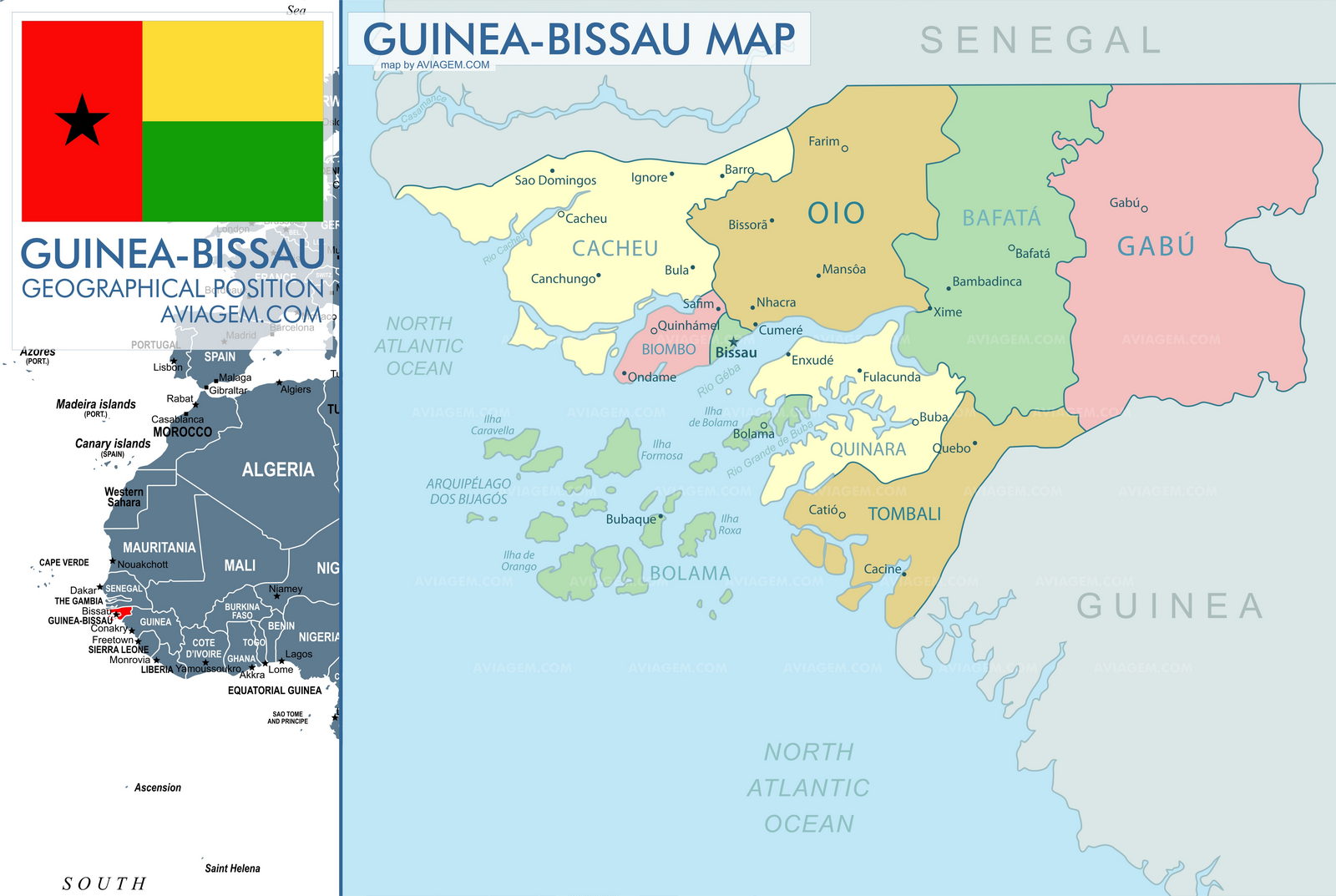
Guinea-Bissau, a small West African nation, is currently navigating a complex political landscape, economic challenges, and social issues that are pivotal to its future. With a history of political instability, understanding the recent developments in Guinea-Bissau is crucial for analysts, stakeholders, and international observers. This article explores the critical events and trends shaping the nation in 2023.
Political Landscape
In 2023, Guinea-Bissau continues to witness political turbulence, marked by challenges to governance and allegations of corruption. The government of President Umaro Sissoco Embaló faces mounting criticism for its handling of economic policies amidst allegations of financial impropriety. Recent protests erupted in the capital, Bissau, as citizens demand transparency and reforms. The Organisation of Islamic Cooperation (OIC) has expressed concern over the instability in the nation and is urging dialogue among political factions to foster a more harmonious governance structure.
Economic Challenges
The economic situation in Guinea-Bissau remains precarious, with a heavy reliance on cashew nut exports, which account for a significant portion of the country’s GDP. In 2023, fluctuations in global market prices have adversely impacted farmers and local businesses. The International Monetary Fund (IMF) has stepped in, discussing support programs to boost the economy and provide much-needed financial aid, which is crucial for stabilising the economic situation. Moreover, infrastructural development remains a primary focus, with international partnerships sought to improve transportation and utilities.
Social Issues
Socially, Guinea-Bissau grapples with significant challenges, including high poverty rates and limited access to healthcare. The COVID-19 pandemic exacerbated existing health issues, leading the government to prioritise health system reform. In response, various non-governmental organisations are mobilising resources to support community health initiatives. Education also remains a vital area of focus, as the government aims to improve literacy rates and access to schooling, particularly in rural areas.
Conclusion
In conclusion, Guinea-Bissau stands at a crossroads in 2023, with the potential for positive change amid ongoing challenges. The political, economic, and social issues present opportunities for reform and international collaboration. For observers and policymakers, understanding these dynamics is paramount to fostering stability and growth in this resource-rich yet troubled nation. As Guinea-Bissau continues to navigate its path, the hope for a more diversified economy and empowered democratic processes remains a focal point for its citizens and the international community alike.