Introduction
The relationship between Albania and Serbia has been a focal point of discussion in the Balkans, especially in light of recent political developments. Understanding the dynamics between these two countries is vital, as it directly affects regional stability, economic collaborations, and European Union integration efforts. Over the last few years, historical grievances and national identities have complicated their interactions, making it essential to monitor their progress towards reconciliation.
Recent Developments
In recent weeks, Albania and Serbia have made headlines concerning a series of diplomatic initiatives aimed at improving their bilateral relations. In September 2023, Albanian Prime Minister Edi Rama and Serbian President Aleksandar Vučić met at a high-level summit to discuss peace and cooperation in the region, which was framed as part of a broader initiative to enhance the Western Balkans’ integration into the European Union.
The summit focused on tackling unresolved issues, including trade barriers and issues relating to ethnic minorities living in both countries. Discussions also highlighted the importance of building economic partnerships that can lead to greater stability and prosperity for both nations. Notably, Albania called for an acceleration of joint infrastructural projects, including transport links that would benefit both economies.
Challenges Ahead
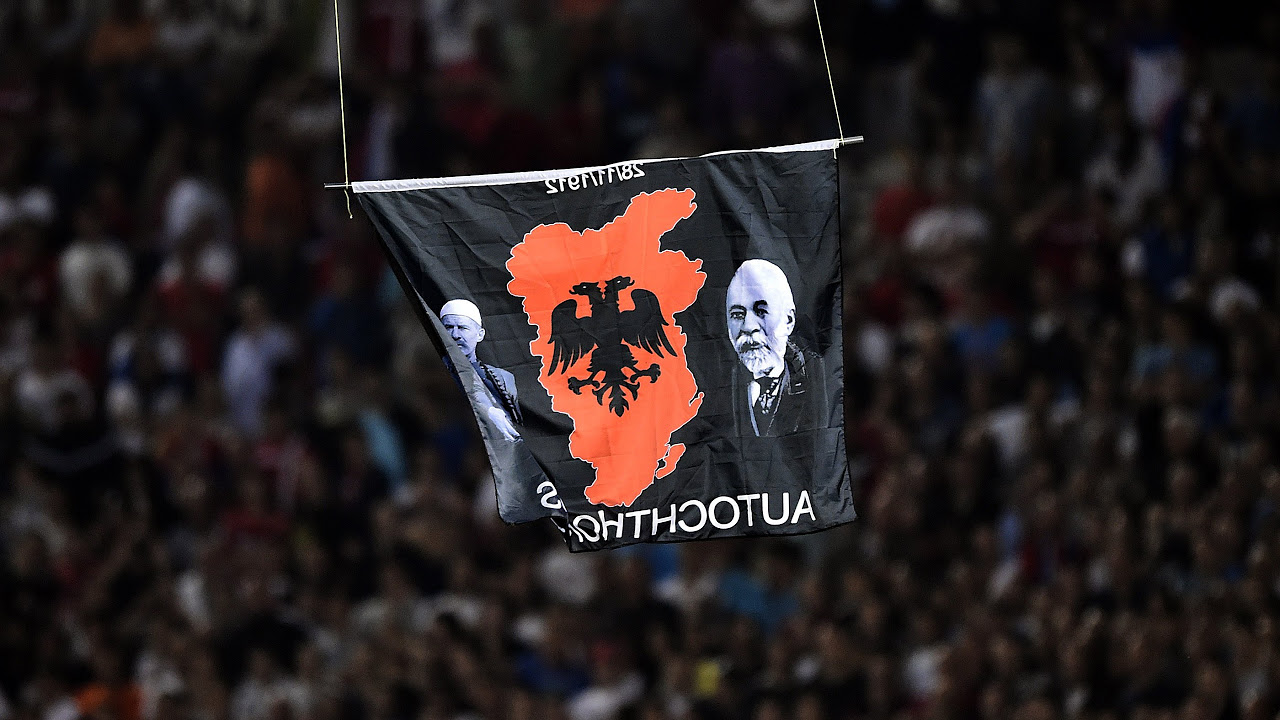
Despite these positive strides, significant challenges remain. Historical tensions, particularly concerning the Kosovo conflict and regional nationalism, continue to hinder progress. Public sentiment in both countries can sway towards nationalism, complicating political dialogue and reconciliation efforts. Moreover, while both countries aim for EU membership, the path is fraught with conditions related to human rights, democratic reforms, and their relationships with each other, further complicating the landscape.
Conclusion
The relationship between Albania and Serbia is undergoing important changes, but the road to mutual respect and cooperation is laden with historical baggage and societal challenges. As both nations work towards integration in the EU framework, the local leadership holds the key to navigating tensions and fostering a collaborative spirit. For observers in the Balkans and Europe, it is crucial to stay attuned to developments in this relationship, as it is indicative of the broader regional dynamics and prospects for peace in the Western Balkans. Continued dialogue, patience, and collective efforts will be essential in making enduring progress.