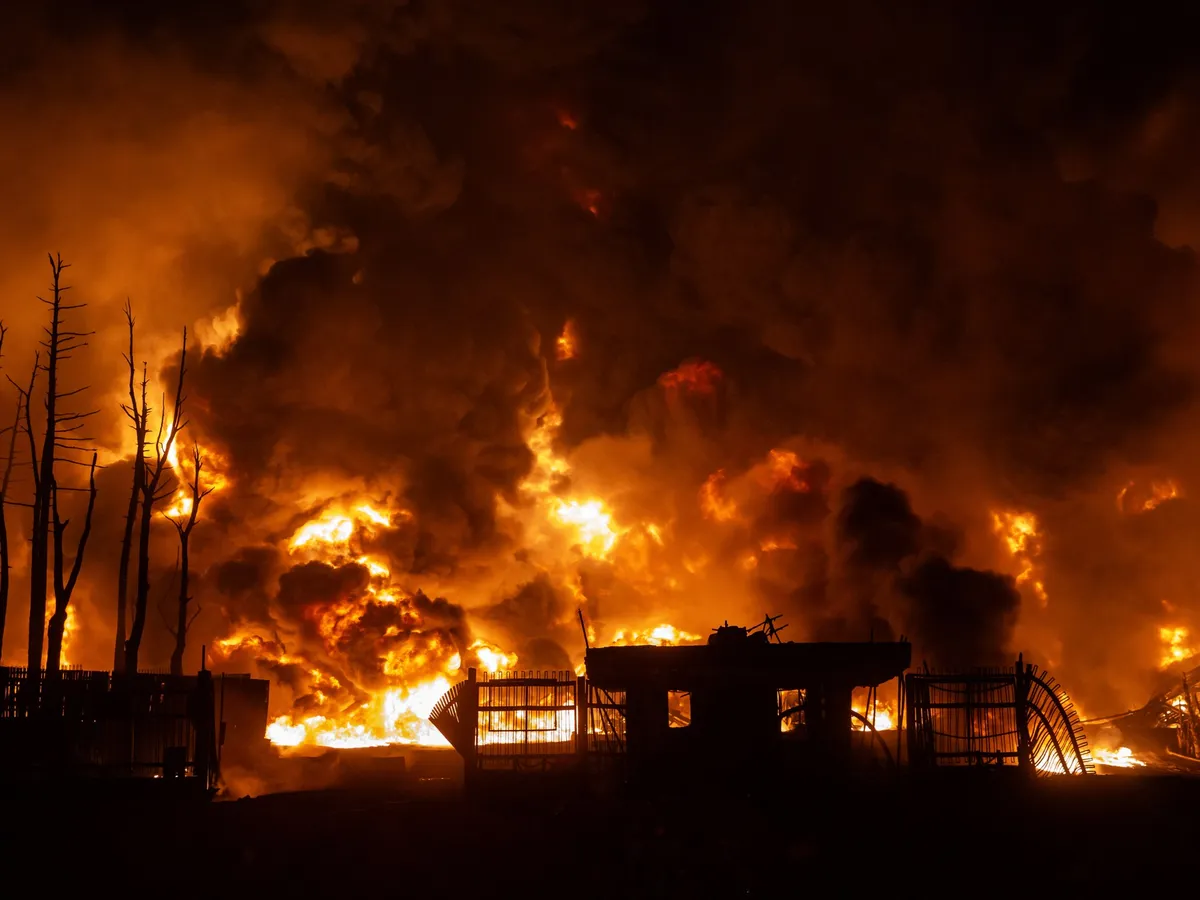
What is driving the recent surge in crude oil prices? The answer lies in the ongoing conflict between the United States and Israel against Iran, which has led to significant disruptions in oil production and supply.
Crude oil prices have surged past $100 a barrel, marking a dramatic increase as Brent crude rose by more than 30 percent, topping $119 a barrel. This spike in prices follows the US and Israel’s military strikes on Iran that began on February 28, resulting in a nearly 50 percent increase in crude oil prices since the conflict escalated.
Iran’s response has been severe, as it has effectively halted shipping in the strategically vital Strait of Hormuz, threatening about one-fifth of the global oil supply. The Revolutionary Guard Corps of Iran has issued warnings that if the conflict continues, oil prices could soar to as high as $200 a barrel. This situation has created a ripple effect in global markets, with stocks in Asia falling sharply as investors brace for the implications of rising energy prices.
In the wake of these developments, oil prices briefly dropped back to around $110 per barrel following reports of discussions among major oil-producing nations about releasing petroleum reserves. However, the underlying tensions remain, with the International Monetary Fund estimating that every sustained 10 percent rise in oil prices results in a 0.4 percent increase in inflation.
Qatari Energy Minister Saad al-Kaabi has warned that Gulf producers may soon be forced to halt production if the situation does not stabilize. Meanwhile, Iran’s oil output has drastically decreased, now producing only a quarter of what it was prior to the US strikes. This loss represents roughly 3 percent of global oil supply lost in a single event, further exacerbating the crisis.
As the conflict continues, the average price of a litre of petrol at UK forecourts has risen nearly 4 pence since the hostilities resumed, reflecting the broader impact on consumers. The surge in oil prices marks the first time oil has risen above $100 per barrel since Russia’s invasion of Ukraine in 2022, indicating a significant shift in the energy landscape.
Looking ahead, the duration of the conflict and its impact on oil prices remains unclear. Details remain unconfirmed, but the potential for further disruptions looms large as geopolitical tensions persist in the region. As the situation develops, the global economy will likely continue to feel the effects of these rising crude oil prices.