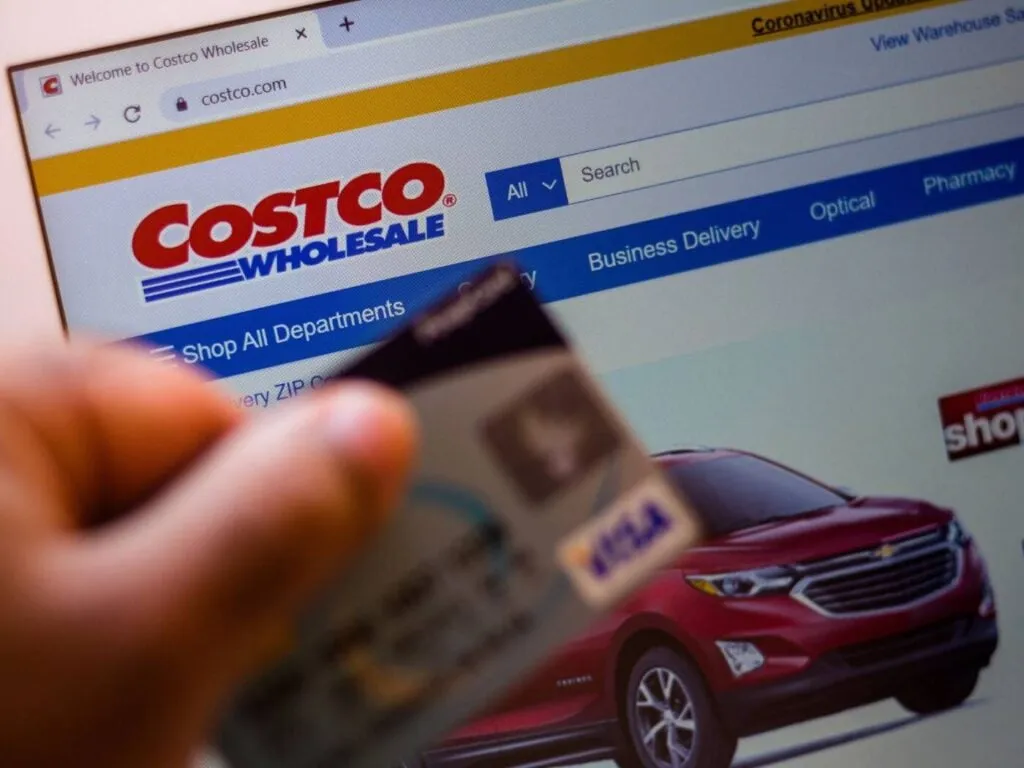
“Had the plaintiff been provided this notice in a timely manner, he would have canceled his membership and not gone forward with the auto-renewal,” states the complaint filed by Russel George against Costco Wholesale Corporation. This lawsuit, which has captured the attention of many consumers, centers around the company’s auto-renewal practices that allegedly violate California’s consumer protection regulations.
George’s class-action lawsuit, filed in April 2026, claims that Costco failed to notify him adequately before automatically renewing his membership. Under California law, businesses are required to send renewal notices between 15 and 45 days prior to the renewal date. However, George asserts that Costco sent its renewal notice emails a full 60 days before charging members’ credit cards, which he argues is not compliant with the law.
The lawsuit also challenges Costco’s cancellation processes, suggesting they do not meet the legal requirements set forth by California’s Automatic Renewal Law, which took effect in July 2025. This law was designed to protect consumers from unexpected charges by ensuring they receive timely notifications about upcoming renewals.
According to George, the renewal notice sent by Costco was deficient, lacking essential information such as the length and terms of the renewal. “Due to Costco’s untimely and deficient auto-renewal notice, the plaintiff was deprived of information he was statutorily entitled to that would have notified him of the upcoming auto-renewal and provided him with methods of cancellation,” the complaint reads.
Costco members currently have the option to cancel their memberships by calling a toll-free number or visiting a physical warehouse location. The company offers two membership tiers: a standard annual membership at $65 and an executive membership at $130. However, George’s complaint suggests that the cancellation process may not be as straightforward as it appears, particularly when members are not adequately informed about their renewal status.
The broader implications of this lawsuit extend beyond just Costco. It reflects ongoing regulatory efforts in the subscription industry regarding auto-renewal practices. In fact, the Federal Trade Commission attempted to implement national ‘click-to-cancel’ rules in 2024, but those efforts were struck down in July 2025, leaving many consumers vulnerable to unexpected charges.
As the case unfolds, a preliminary hearing is scheduled for June 2026, where the court will examine the merits of George’s claims. The lawsuit seeks declaratory and injunctive relief, damages for George and other class members, and a jury trial. The outcome could set a significant precedent for how auto-renewal practices are handled in California and potentially across the nation.
In the words of one observer, “The time to cancel is long gone by the time the charge actually shows up.” This sentiment underscores the urgency of the issues at hand, as consumers navigate the complexities of auto-renewal agreements and their rights under the law. Sending one sixty days out, which is well past the point at which a member would consider taking action, serves more as a formality than a true warning, raising further questions about the adequacy of consumer protections in these situations.