Introduction
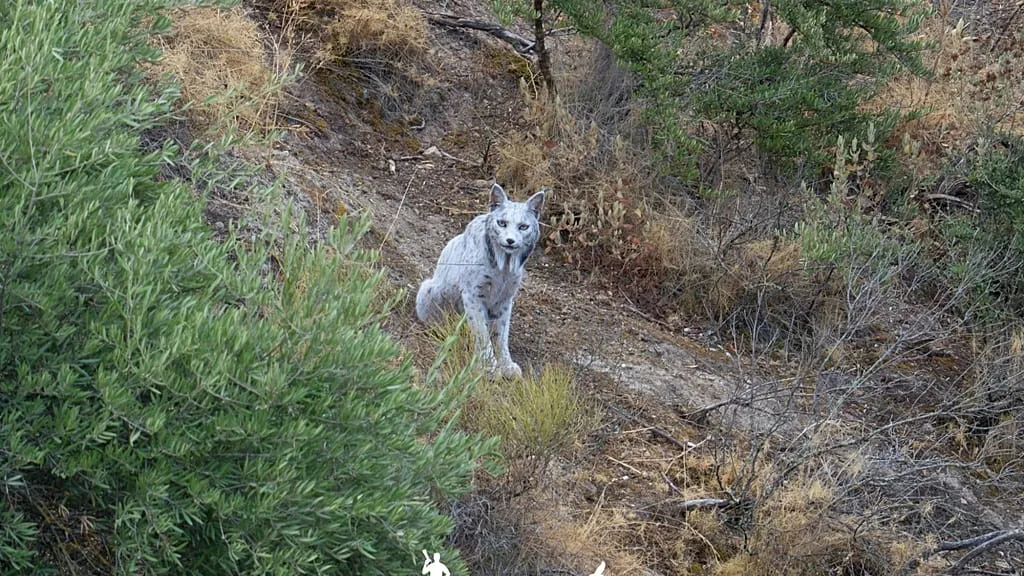
The white Iberian lynx, or Lynx pardinus, is one of the most endangered feline species in the world, primarily found in the Iberian Peninsula. Recognised for its extraordinary beauty and unique adaptations, this lynx has become a symbol of conservation efforts in Europe. Its dwindling population signifies the critical state of biodiversity and the pressing need for innovative conservation strategies.
Current Status and Threats
As of 2023, the white Iberian lynx population has shown slight signs of recovery, with estimates suggesting around 1,100 individuals remaining in the wild, primarily in Spain and Portugal. However, the species is not out of danger. Significant threats persist, including habitat loss due to agriculture, urban development, and road collisions. Additionally, the dwindling rabbit population, which is the lynx’s primary prey, poses a substantial challenge to the species’ survival.
Conservation Initiatives
Various conservation initiatives have been launched to protect the white Iberian lynx. The most notable is the LIFE Iberian Lynx project, which has involved habitat restoration, breeding programmes, and establishing wildlife corridors to help mitigate the impact of human activity. These efforts have yielded promising results, with the lynx population steadily increasing since 2010.
Spanish organisations like the Spanish National Parks Agency, in collaboration with NGOs, have also played a pivotal role in conducting research and public awareness campaigns aimed at highlighting the importance of the white Iberian lynx within its ecosystem.
Community Involvement and Education
Engaging local communities in conservation efforts has proven essential. Educational programmes focusing on the ecological significance of the Iberian lynx have been implemented in affected areas, fostering a sense of responsibility among residents. These initiatives encourage sustainable practices and promote coexistence between wildlife and human activities.
Conclusion
The future of the white Iberian lynx remains precarious but not without hope. With ongoing conservation efforts, there is potential for the population to recover further. For readers, understanding the significance of the white Iberian lynx is crucial—not just as a species in need of protection, but as an indicator of the health of the ecosystem. By supporting conservation initiatives, advocating for sustainable practices, and spreading awareness, individuals can contribute to the preservation of this majestic feline and the rich biodiversity it represents.