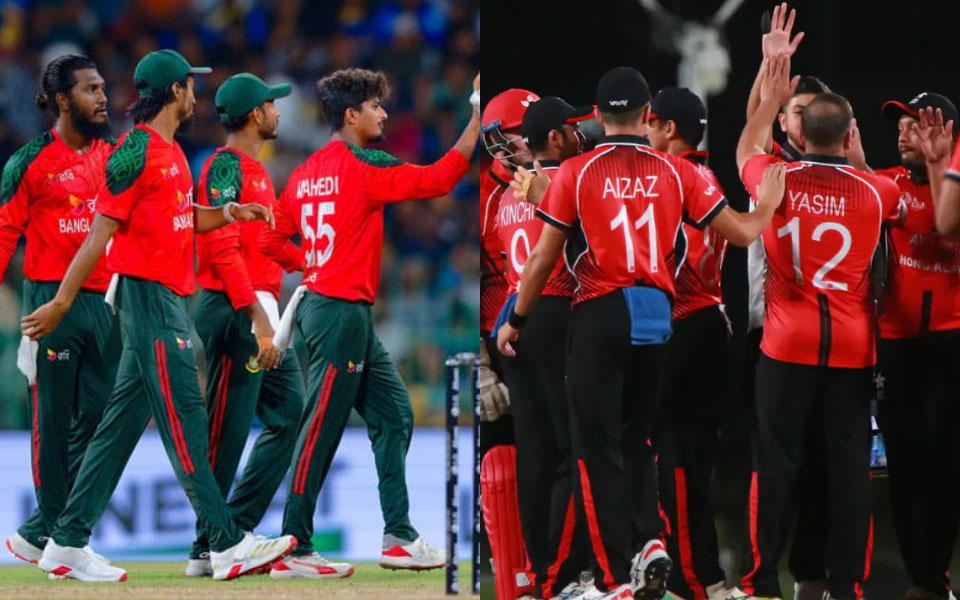
Introduction
The comparison between Hong Kong and Bangladesh is significant in understanding the diverse cultural, economic, and political landscapes shaping these two regions. While Hong Kong is a Special Administrative Region of China known for its high-density urbanisation and global financial significance, Bangladesh stands out with its rich cultural heritage and rapid economic growth. Analyzing both regions provides valuable insights into their developmental challenges and successes.
Economics
Economically, Hong Kong is known as one of the world’s foremost financial centres. According to the Hong Kong Monetary Authority, the region has a GDP of approximately HKD 2.9 trillion (around £290 billion), with a per capita income that ranks among the highest globally. The economy is largely service-based, with finance, logistics, and tourism being dominant sectors.
On the other hand, Bangladesh’s economy has shown remarkable resilience and growth over the past decades. According to the World Bank, Bangladesh’s GDP was approximately £265 billion in 2021, demonstrating strong growth driven primarily by its textile and garment industry, which accounts for about 80% of total exports. Despite lower per capita income compared to Hong Kong, Bangladesh’s economic progress is notable.
Culture and Society
Culturally, Hong Kong represents a unique blend of Eastern and Western influences. The Cantonese heritage mingles with colonial British influences to create a diverse cultural tapestry. Festivals, food, and language reflect this amalgamation, catering to a cosmopolitan population of locals and expatriates alike.
Conversely, Bangladesh boasts a rich and ancient cultural history, steeped in traditions, art, and literature. The Bengali language serves as a vital cultural unifier in this nation, with significant literary achievements rooted in history, most notably the works of Rabindranath Tagore, the first Asian Nobel laureate in Literature.
Political Landscape
Politically, Hong Kong operates under a “one country, two systems” principle, allowing it a certain level of autonomy from mainland China. This unique status has been a topic of considerable debate and unrest, particularly in light of recent protests advocating for democratic freedoms.
In contrast, Bangladesh is a parliamentary democracy, often challenged by political instability and issues related to governance. Nonetheless, the country has made significant strides in improving its democratic processes and civil rights.
Conclusion
In conclusion, while Hong Kong and Bangladesh differ in numerous aspects including economic standing, cultural backgrounds, and political systems, both regions symbolize resilience in their own right. Hong Kong’s status as a financial hub and Bangladesh’s rapid economic advancements present diverse opportunities and challenges ahead. Understanding these dynamics not only enriches our perspective on global affairs but also highlights the importance of cultural context in evaluating economic and political development.