Introduction
The biannual clock change known as Daylight Saving Time (DST) is a significant event that comes twice a year in many parts of the world. As the clocks go back in late October, people often express both relief and frustration over the change. Understanding the implications of this time shift is crucial for effective time management, health considerations, and maintaining a harmonious daily routine.
The Change in Time
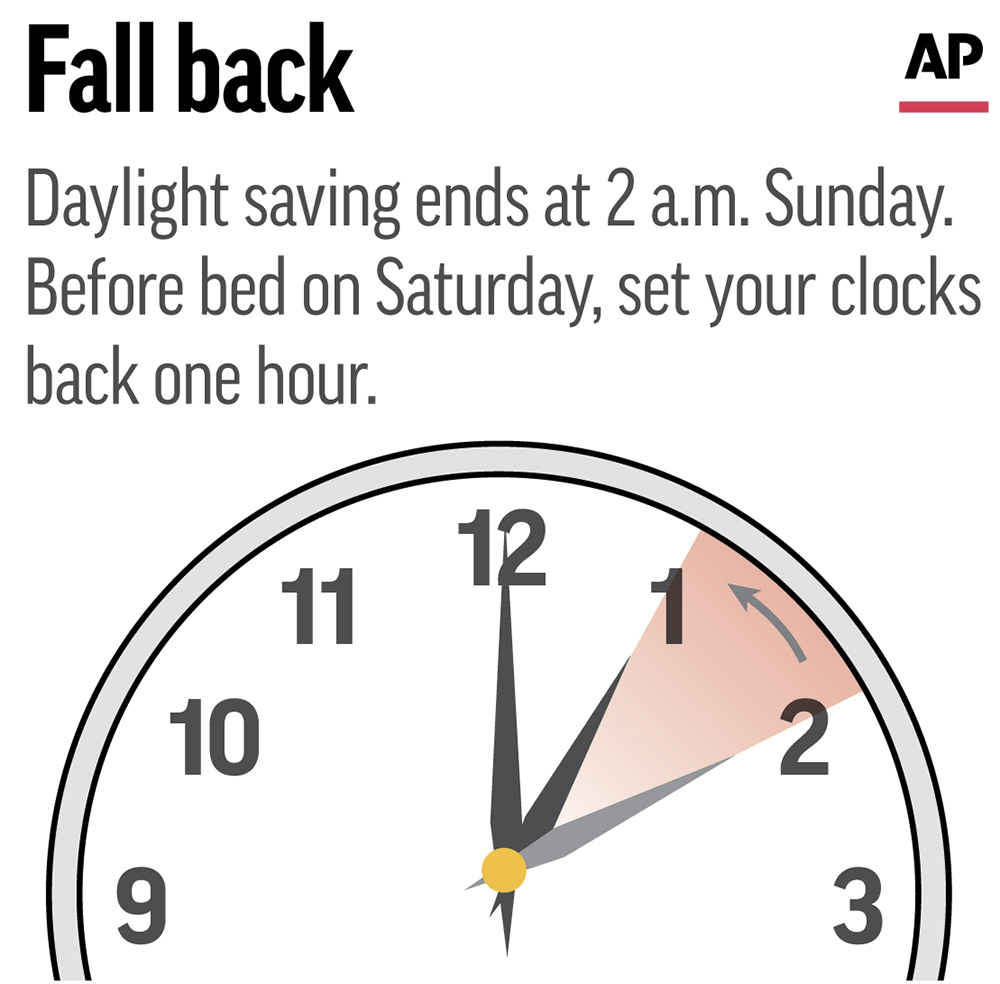
This year, the clocks will go back in the United Kingdom at 2:00 AM on Sunday, October 29th, resulting in an extra hour of sleep for many, but also potentially disrupting daily routines. The practice, which began in the early 20th century, aims to maximise daylight hours in the evening, thereby conserving energy and allowing for more outdoor activities after work.
While the intention behind the time shift has merit, the consequences cannot be dismissed. Various studies indicate that moving the clocks back can lead to a rise in sleep-related issues and general lethargy as people adjust to the new timings. According to the Sleep Foundation, it can take several days for people to fully adapt to the change, which can lead to disruptions in work productivity and mood.
Health Considerations
Healthcare professionals have raised concerns about the health impacts of DST. Research has shown that the shift can increase the likelihood of heart attacks, strokes, and accidents in the days immediately following the clock change. Health experts recommend that individuals prioritise sleep and maintain consistent routines in the weeks leading up to and following the time change.
Public Opinion and Future Possibilities
As discussions around Daylight Saving Time continue, various countries have debated the practice itself. Predictions show that if public opinion reflects growing dissatisfaction with the twice-annual adjustments, there may be legal efforts to abolish DST altogether. In recent years, the European Union has even proposed a directive to eliminate seasonal clock changes, leaving individual member states to decide whether to remain on summer or winter time.
Conclusion
The tradition of the clocks going back reflects historical practices aimed at utilising daylight. As society evolves, so do our relationships with timekeeping. The immediate effects of the time change highlight the importance of understanding how it impacts our daily lives and health. Whether celebrating the extra hour of sleep or facing the challenges of adjustment, the clocks going back serves as a reminder that time is both a precious commodity and a critical factor in our wellbeing.