Introduction
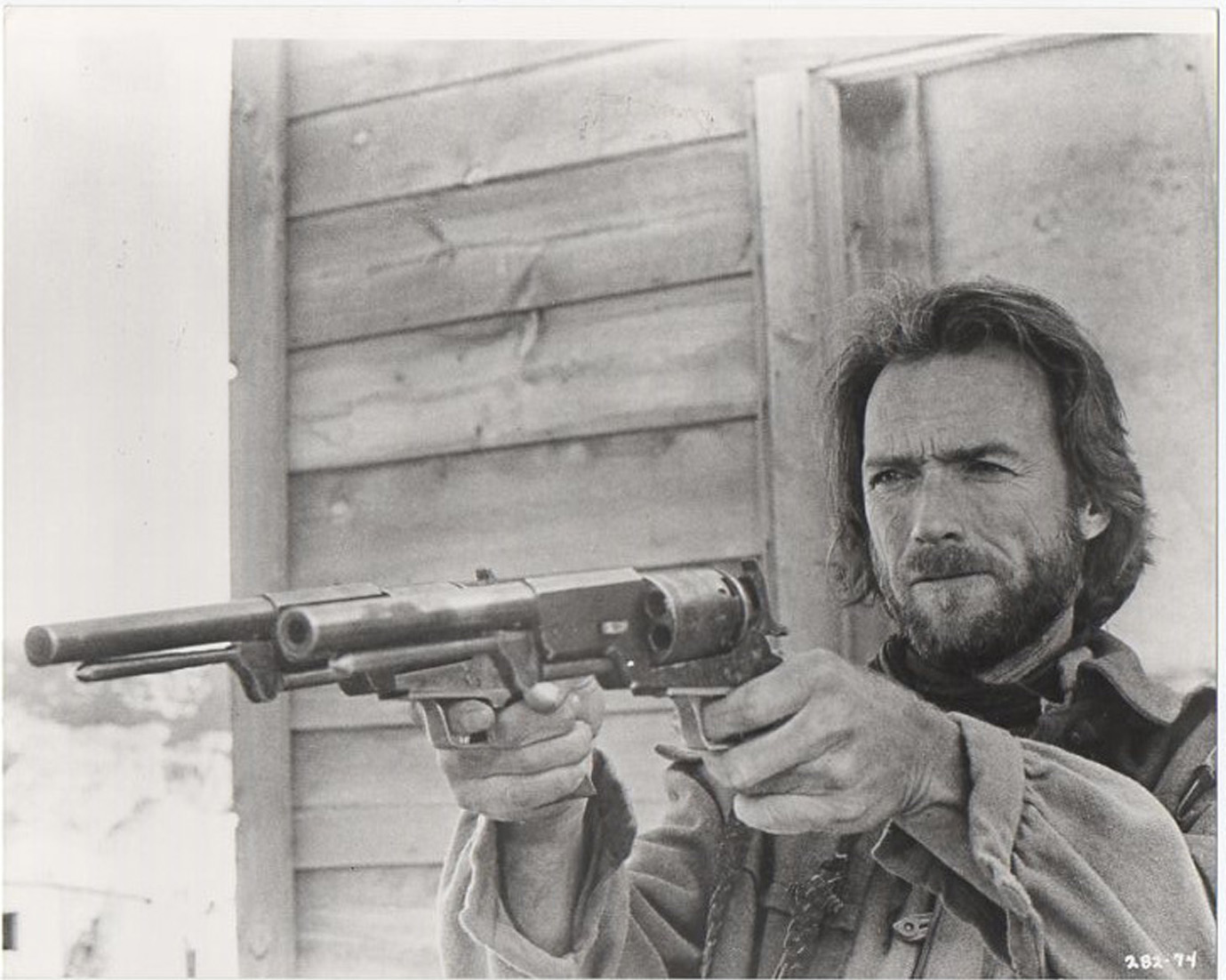
Clint Eastwood is a name synonymous with classic American cinema, well-known for his contributions as both an actor and director. His career spans over six decades, during which time he has not only entertained audiences but also shaped the landscape of film. As an influential figure in Hollywood, Eastwood’s work reflects societal changes and has often spotlighted complex characters and themes.
Eastwood’s Rise to Fame
Born on May 31, 1930, in San Francisco, California, Eastwood began his career in the 1950s, appearing in television series such as “Rawhide”. However, his breakthrough came with the role of Blondie in Sergio Leone’s “Dollars Trilogy”, which redefined the Western genre. The film’s success led Eastwood to become an icon, embodying the rugged, morally ambiguous hero that became a staple in later films.
Director and Producer
Transitioning from acting, Eastwood established himself as a formidable director with films such as “Unforgiven” and “Mystic River”, both of which garnered critical acclaim and numerous awards. In 1993, “Unforgiven” won four Academy Awards, including Best Picture and Best Director, further solidifying Eastwood’s legacy in the industry. He also directed poignant films such as “Gran Torino” and “American Sniper”, which tackle social issues prevalent in modern America. Eastwood’s style is notable for its sparse dialogue and emphasis on character development, often exploring themes of redemption, justice, and the human condition.
Recent Works and Legacy
Despite being in his 90s, Eastwood remains active in filmmaking. His recent project, “Cry Macho”, released in 2021, showcases his dedication to storytelling and ability to connect with audiences across generations. Eastwood’s enduring legacy has influenced countless filmmakers and actors who followed in his footsteps, redefining the archetype of the leading man in Hollywood.
Conclusion
Clint Eastwood’s contributions to cinema extend beyond acting; he has been a pioneer in directing and producing films that resonate with audiences on various levels. As film enthusiasts reflect on his career, the narrative of Eastwood emerges not only as that of a star but as a significant figure in American cultural history. His ability to adapt and evolve within the film industry provides a blueprint for aspiring artists, ensuring that Clint Eastwood’s legacy will continue to be relevant for years to come.