The emergence of the Cicada COVID variant BA.3.2 raises an important question: How does this new variant affect our current understanding of COVID-19 and our ability to combat it? The answer is complex, but early indications suggest that while BA.3.2 may evade some immunity, vaccines are still expected to provide protection against severe disease.
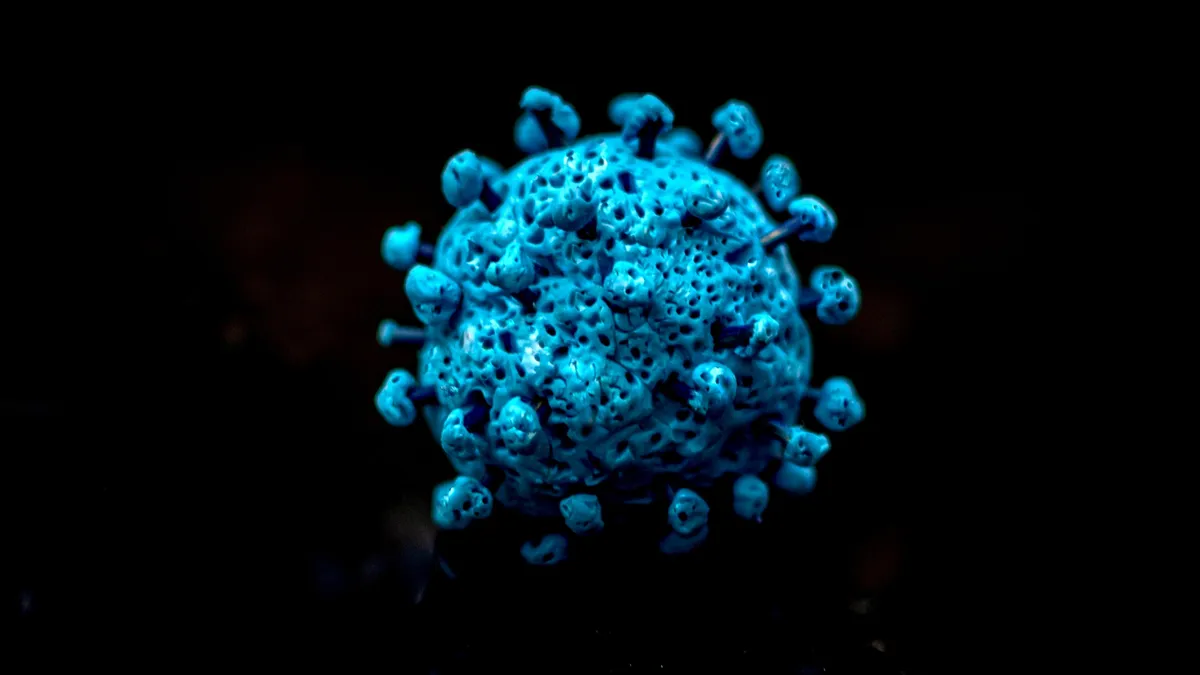
BA.3.2, also known as ‘Cicada’, is a highly mutated variant of the COVID-19 virus, first identified in November 2024 in South Africa. As of February 11, 2026, it has been detected in at least 25 states across the United States, indicating a rapid spread that has caught the attention of health officials and the public alike. This variant is characterized by an astonishing 70-75 mutations in its spike protein, which may allow it to evade recognition by the immune system.
The variant was first detected in the U.S. in June 2025, when a traveler returning from the Netherlands tested positive. Since then, it has been linked to a growing number of infections, with reports indicating that in some Eastern European countries, up to 30% of COVID-19 infections are attributed to BA.3.2 as of February 2026.
What the data shows
Symptoms associated with BA.3.2 include cough, fever, sore throat, congestion, shortness of breath, loss of smell or taste, fatigue, headache, and gastrointestinal issues such as diarrhea or vomiting. Despite these symptoms, health experts emphasize that BA.3.2 is not causing more severe disease or hospitalizations compared to previous variants. Dr. Robert H. Hopkins Jr. noted, “I have not seen any data which indicates that Cicada is any more severe than other circulating variants.” This is a reassuring point for many as the variant spreads.
Experts like Andrew Pekosz have pointed out that the extensive mutations in BA.3.2 may cause it to appear different to the immune system, potentially complicating the response to vaccination. However, vaccination remains a critical tool in limiting the spread and severity of the disease. As Pekosz stated, “Vaccination is still going to help limit cases.” The function of the vaccine is to keep us out of the hospital, as emphasized by Dr. Schaffner.
As the variant continues to spread, the Centers for Disease Control and Prevention (CDC) and the World Health Organization (WHO) are closely monitoring its impact. With 132 sites in the U.S. where BA.3.2 was detected in wastewater samples, the data suggests that the variant is not only prevalent but also poses a challenge for public health efforts.
Looking ahead, the exact reasons for the resurgence of BA.3.2 remain unclear, and the long-term impact of this variant on COVID-19 infection rates is uncertain. Details remain unconfirmed, and health officials are urging the public to stay informed and continue following health guidelines to mitigate the spread of this variant.