The recent downing of a U.S. Air Force F-15E over Iranian territory has underscored the critical role of intelligence and military coordination in modern warfare. The incident, which left the Weapons Systems Officer (WSO) unaccounted for nearly 48 hours, sparked a swift response from the CIA, which initiated a deception campaign to mislead Iranian forces during the rescue operation.
During the 48 hours of evasion, the airman relied on Survival, Evasion, Resistance, and Escape (SERE) doctrine, demonstrating remarkable resilience. He established a hide site using the BLISS principle: Blend, Low silhouette, Irregular shape, Small, and Secluded, which was crucial in avoiding detection by Iranian military forces.
The extraction operation involved elite special operations teams and dozens of aircraft, highlighting the complexity and coordination required in such missions. Despite the challenges, including a C-130 Hercules becoming mired in mud during the extraction, the operation was completed without a single American casualty.
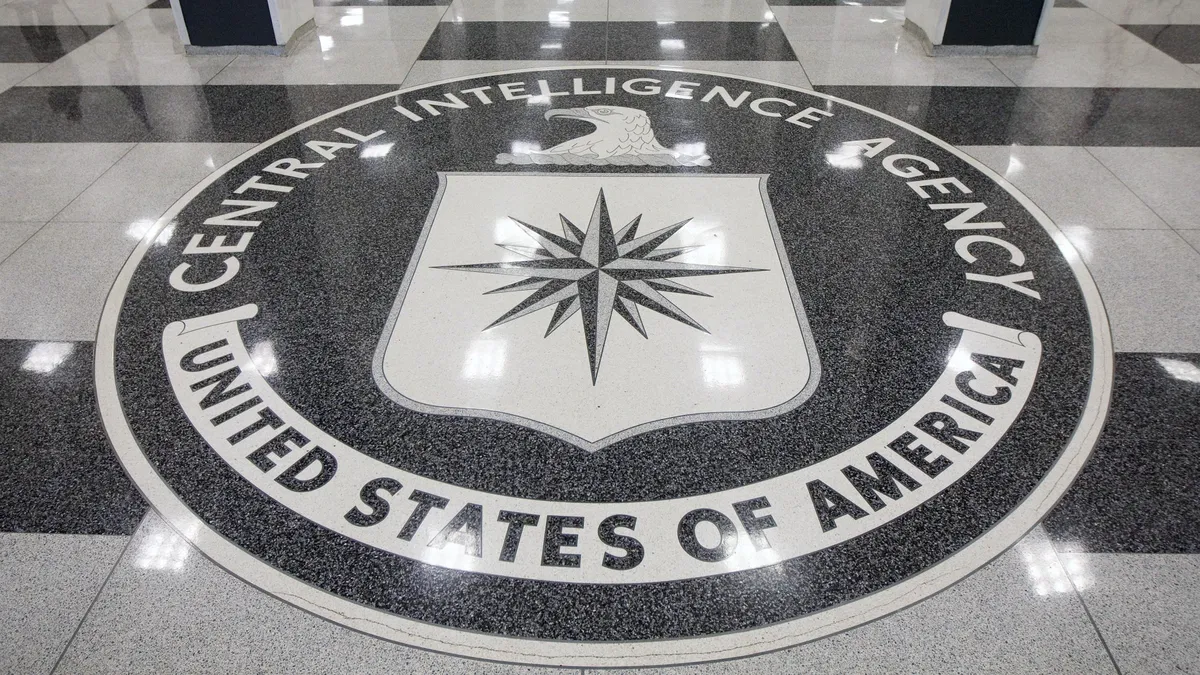
In a statement, CIA director John Ratcliffe emphasized the significance of the deception campaign initiated during the rescue mission, which played a vital role in the successful extraction of the airman. The stranded aircraft was destroyed to prevent Iranian forces from accessing sensitive equipment, further illustrating the high stakes involved.
This operation not only showcased the capabilities of U.S. military and intelligence but also highlighted the importance of human resilience in the face of adversity. As the situation continues to unfold, the implications of this incident on U.S.-Iran relations and military strategy remain to be seen.
Details remain unconfirmed regarding the full extent of the operation and its aftermath, but the successful rescue serves as a testament to the dedication and skill of those involved.