Introduction
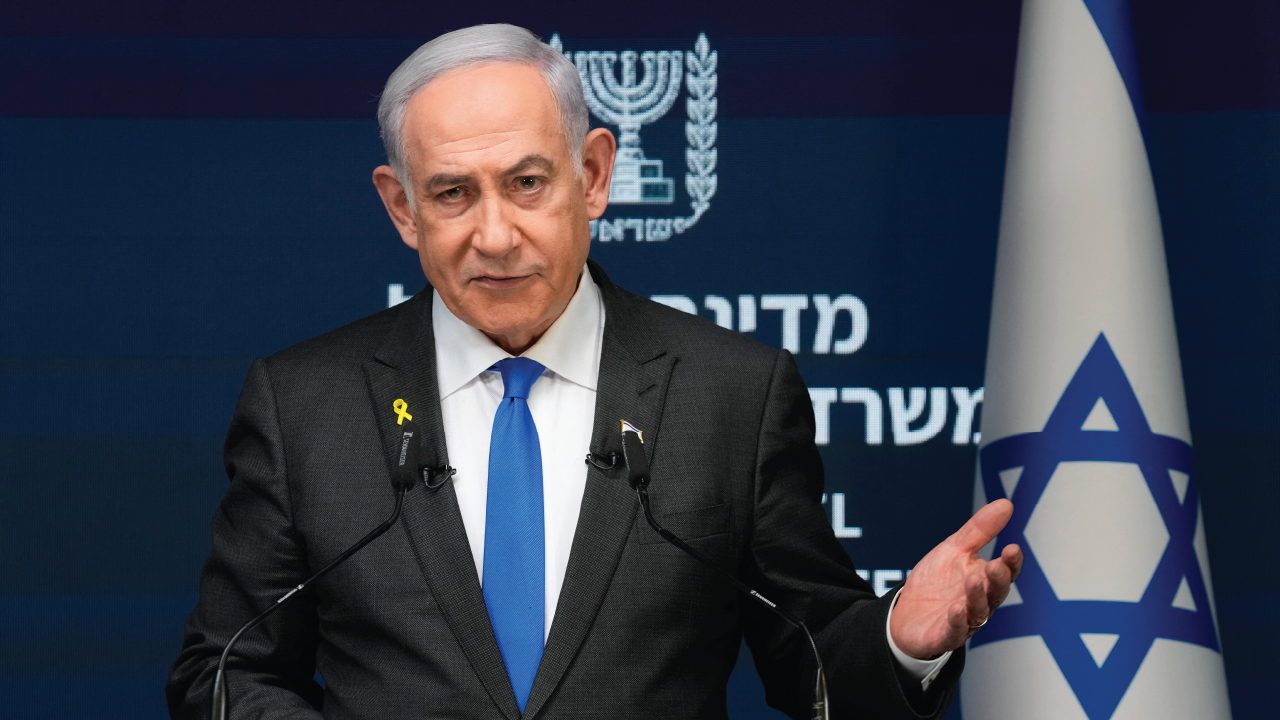
Benjamin Netanyahu, Israel’s longest-serving Prime Minister, is at a critical juncture in his political career. As a leader known for his strong stance on security and international relations, Netanyahu faces mounting challenges that could reshape the future of Israeli politics. The recent changes within the Knesset and growing public discontent over socio-economic issues amplify the relevance of Netanyahu’s leadership in contemporary debates regarding democracy and governance in Israel.
Current Political Landscape
As of October 2023, Israel has seen increasing polarization within its political framework. Netanyahu’s government has been marred by protests demanding judicial reform and addressing issues such as the economy and national security. Recent surveys indicate a drop in public support for Netanyahu, revealing concerns among voters about the direction of the country. With an opposition that is unifying against him and growing dissatisfaction among citizens, the Prime Minister’s coalition government is facing serious hurdles.
Domestic Challenges
One of the key issues facing Netanyahu is the ongoing discourse surrounding judicial reforms. Critics argue that proposed changes threaten the independence of the judiciary, sparking massive protests across the country this year. Furthermore, economic pressures have escalated, with rising inflation rates and housing costs fueling public unrest. Advocates for social justice are questioning the government’s responses to these pressing issues, demanding more accountability and transparency in leadership.
International Relations
On the international stage, Netanyahu’s administration has continued to navigate complex relationships with key allies, notably the United States. With tensions in the Middle East remaining high, particularly concerning Iran’s nuclear ambitions and relations with Palestinian factions, Netanyahu’s strategic posture is increasingly under scrutiny. The Prime Minister’s policies have drawn both support and criticism, highlighting a critical balancing act in maintaining Israel’s security while fostering international alliances.
Conclusion
As Israel heads into an uncertain future, Netanyahu’s ability to address internal divisions and external threats will be pivotal. Observers suggest that his long-standing political experience might help him navigate these tumultuous waters, but the question remains whether he can restore public confidence amid rising dissent. The coming months will be crucial in determining whether Netanyahu can sustain his leadership or if new political alternatives will emerge in Israel’s dynamic landscape.