Introduction
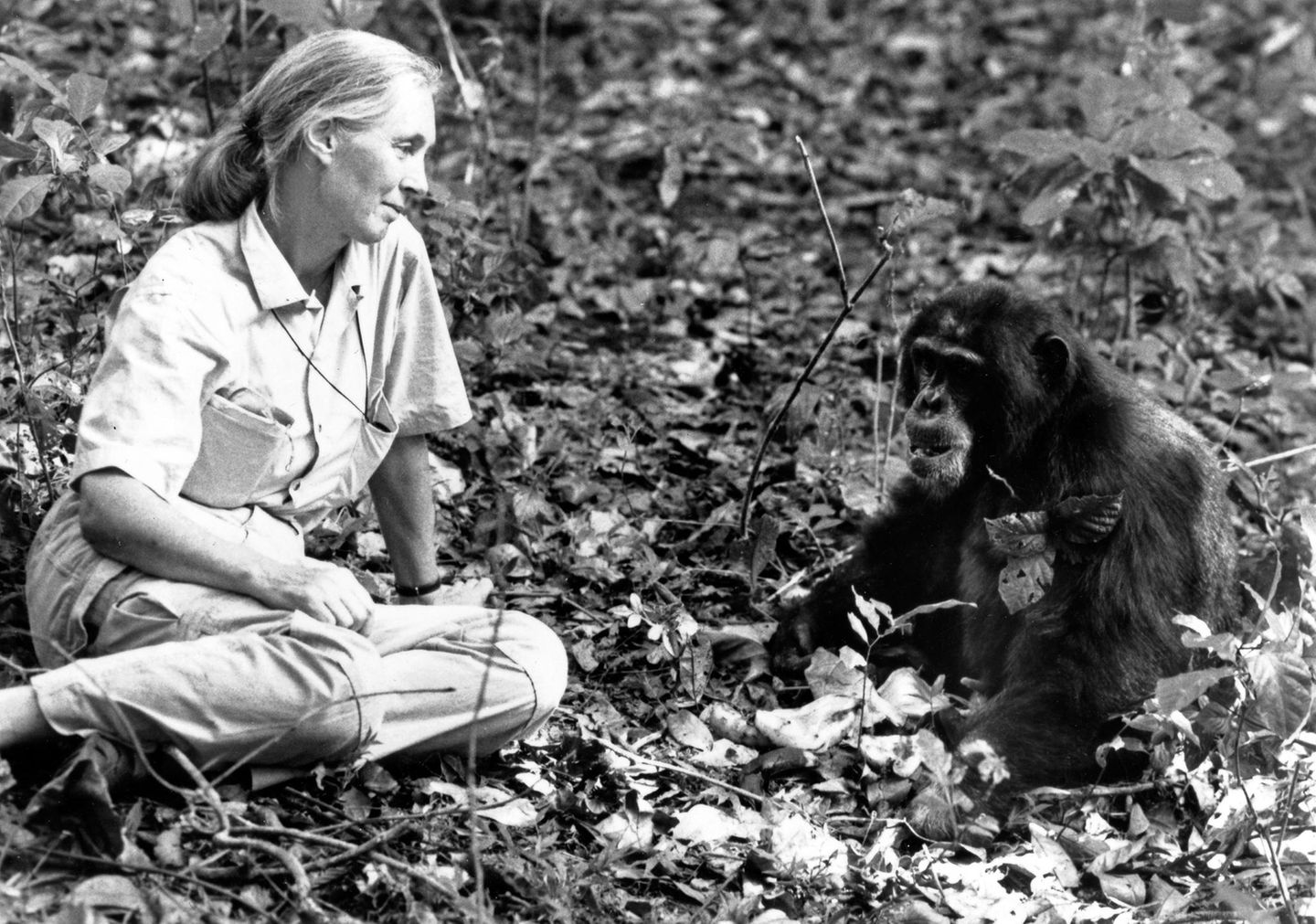
Jane Goodall, a name synonymous with animal conservation and primatology, has dedicated over six decades to studying and protecting the world’s chimpanzees. Her groundbreaking research has not only transformed our understanding of primates but also raised awareness about conservation issues globally. As climate change and habitat destruction continue to threaten wildlife, Goodall’s work remains critically relevant.
Early Life and Career
Born on April 3, 1934, in London, Jane Goodall developed an early fascination with animal behaviour. Inspired by her childhood love of animals, Goodall pursued a career in science, eventually travelling to Tanzania in 1960 to study chimpanzees in the wild without any formal scientific training. Her unique approach and ability to observe and document these creatures in their natural environment led to significant discoveries, including the observation of tool use among chimpanzees, a behaviour previously thought exclusive to humans.
Major Contributions
Goodall founded the Jane Goodall Institute in 1977, which focuses on wildlife research, education, and community-centred conservation initiatives. Her research at Gombe Stream National Park has provided invaluable insights into the social structures of chimpanzees, their emotions, and their complex societies. Over the years, she has published several books and documentaries, including “In the Shadow of Man” and “The Chimpanzee Diaries”, inspiring generations to take an interest in conservation.
Current Events and Advocacy
In recent years, Jane Goodall has amplified her voice on pressing climate issues. In 2022, she participated in numerous global forums alongside scientists and pre-eminent leaders to advocate for sustainable practices and legislate against biodiversity loss. Her initiative, “Roots & Shoots”, encourages youth to engage in environmental and humanitarian efforts, fostering a sense of responsibility towards the planet. During climate talks in Glasgow in 2021, Goodall highlighted the importance of behavioural change in individuals as a pathway to tackling the climate crisis.
Conclusion
Jane Goodall’s work has not only advanced our understanding of chimpanzees but has also ignited a broader conversation about conservation and our environment. As we confront global challenges such as climate change and habitat destruction, Goodall’s legacy reminds us of our responsibility to protect the natural world. Her ongoing efforts demonstrate that individual and collective action can lead to meaningful change. Through education and advocacy, Goodall’s influence continues to inspire environmental activism worldwide.