Introduction to Kung Hei Fat Choi
Kung Hei Fat Choi, literally translating to “Wishing You Prosperity”, is a traditional Cantonese greeting used during the Lunar New Year. Its significance lies in the cultural importance of the festival, which marks a new beginning and a fresh start for families. Celebrated by millions around the world, understanding the traditions of Kung Hei Fat Choi helps to appreciate its role in global cultures, highlighting the values of joy, renewal, and family unity.
The Traditions of Kung Hei Fat Choi
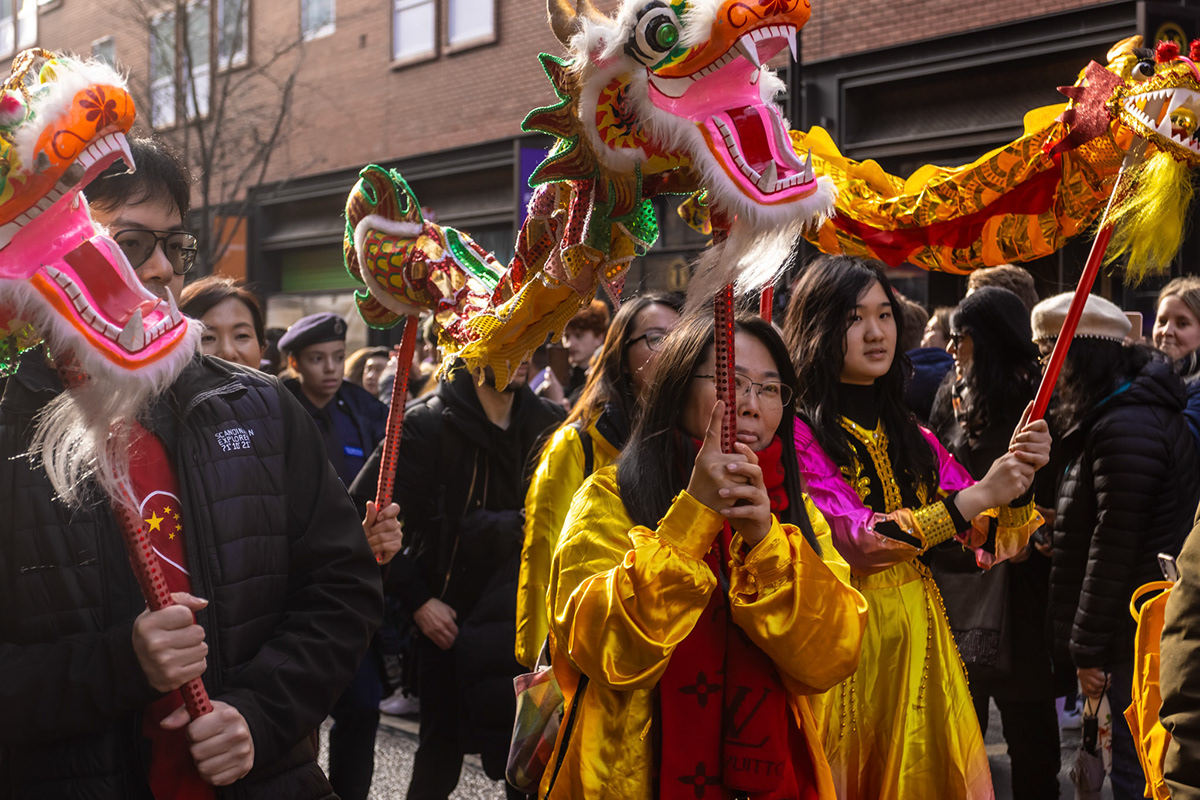
The Lunar New Year celebration, which in 2024 falls on February 10th, features numerous traditions rooted in centuries-old customs. During this festive period, families clean their homes to sweep away any bad luck and invite in good fortune, showcasing the importance of renewal. Special meals prepared include dumplings symbolizing wealth and fish signifying surplus. The lion dance, a vibrant and lively performance, is also an iconic part of the festivities, believed to scare away evil spirits while welcoming in happiness and good luck. Additionally, red envelopes (or ‘lai see’) containing money are given to children and young unmarried adults, symbolizing the sharing of wealth and prosperity.
Kung Hei Fat Choi Around the World
The influence of Kung Hei Fat Choi extends far beyond its origins in China. Countries like Malaysia, Singapore, and the Philippines have their own unique ways of celebrating the festival, often incorporating local customs into the mix. In places with significant Chinese populations, such as San Francisco and London, parades filled with fireworks and cultural performances attract thousands of spectators, illustrating the universal appeal of this joyous occasion. Events typically feature food stalls, traditional music, and various performances, fostering community spirit and cultural exchange.
Conclusion and Future Perspectives
As we approach Kung Hei Fat Choi in 2024, the spirit of hope and renewal is more pertinent than ever amid global challenges. This festival serves as a reminder of the importance of family, tradition, and shared celebrations in times of uncertainty. Forecasts indicate an increased participation in festivities worldwide as more people seek connection and community. Thus, Kung Hei Fat Choi not only represents a cultural experience; it embodies a collective yearning for prosperity and joy, making it significant for readers looking to enhance their understanding of global traditions.