Introduction to Hindu New Year
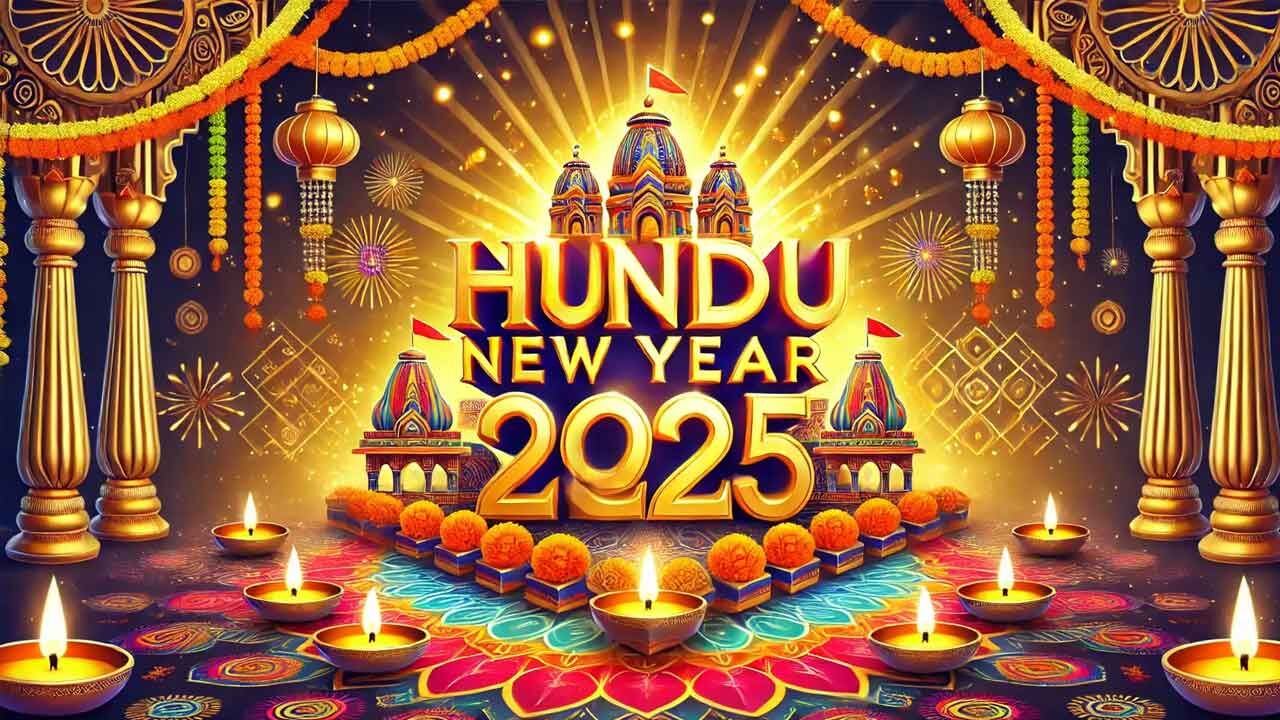
The Hindu New Year, also referred to as “Hindu Samvat” or “Vikram Samvat,” marks the onset of a new calendar year for millions of Hindus across the globe. Notable for its cultural and spiritual significance, the festival typically observes various customs and rituals across different regions in India and among the diaspora. As we approach 2025, the significance of the Hindu New Year is emphasized, being a time for new beginnings, reflection, and hopes for prosperity and harmony in the coming year.
When is Hindu New Year 2025?
In 2025, Hindu New Year is expected to be celebrated on March 21st, coinciding with the festival of Chaitra Month. The festival date may slightly vary depending on regional calendars, with communities like the Gujarati and Maharashtrians observing their New Year on different dates, illustrating the diverse cultural practices within Hinduism.
Celebrations and Customs
The festivities around Hindu New Year often begin with detailed preparations, including cleaning homes, decorating entrances with rangoli (colourful patterns), and preparing traditional dishes. Ritualistic worship and prayer offerings to deities for blessings and guidance form a crucial part of the celebrations. In different parts of India, specific customs prevail; for instance, in Maharashtra, the day is marked by a celebratory meal called “Obbattu”, while in Punjab, vibrant dances and music are essential aspects of the festivities.
Regional Variations
While many Hindus celebrate New Year on the same day, several regions observe unique variations. In West Bengal, for example, the celebration is called “Poila Baisakh”, celebrated with traditional Bengali feasts, music, and dance. Similarly, Baisakhi, mainly celebrated in Punjab, also signifies the New Year in the lunar calendar and rejoices in harvesting while reaffirming cultural identity.
Significance for the Global Hindu Community
The Hindu New Year is not only a time of joy but also an occasion to reflect on the past year, set resolutions, and look forward to new opportunities. It serves as an essential reminder of cultural heritage and community bonding, encouraging families and friends to come together in celebration. As 2025 approaches, it is a chance for communities worldwide to embrace their traditions while promoting understanding and unity among diverse populations.
Conclusion
Hindu New Year 2025 promises to be a celebration of renewal, unity, and culture, with festivities anticipated to bring people together in joyous gatherings, prayers, and affirmations. As this significant date nears, Hindus globally look forward to engaging in traditions cherished over generations while imparting values of hope and prosperity to future generations.