Introduction
Cathy Freeman, an iconic Australian athlete, is celebrated not only for her incredible achievements on the track but also for her contribution to the promotion of reconciliation and inclusivity in sports. As the 2000 Sydney Olympic Games torchbearer and gold medalist in the 400 meters, Freeman’s journey has become a symbol of hope and perseverance for many, particularly in the Indigenous community. This year marks significant milestones for Freeman, as discussions around her legacy gain renewed relevance in light of ongoing conversations about representation in sports.
Early Life and Career
Born on February 16, 1973, in Mackay, Queensland, Cathy Freeman is of the Kuku Yalanji and the Pitta Pitta peoples. She began her athletic career at a young age, demonstrating talent and determination that would soon see her rise to national and international acclaim. By the age of 16, she had already made her mark by winning a gold medal at the 1990 Commonwealth Games.
Olympic Glory and National Sentiments
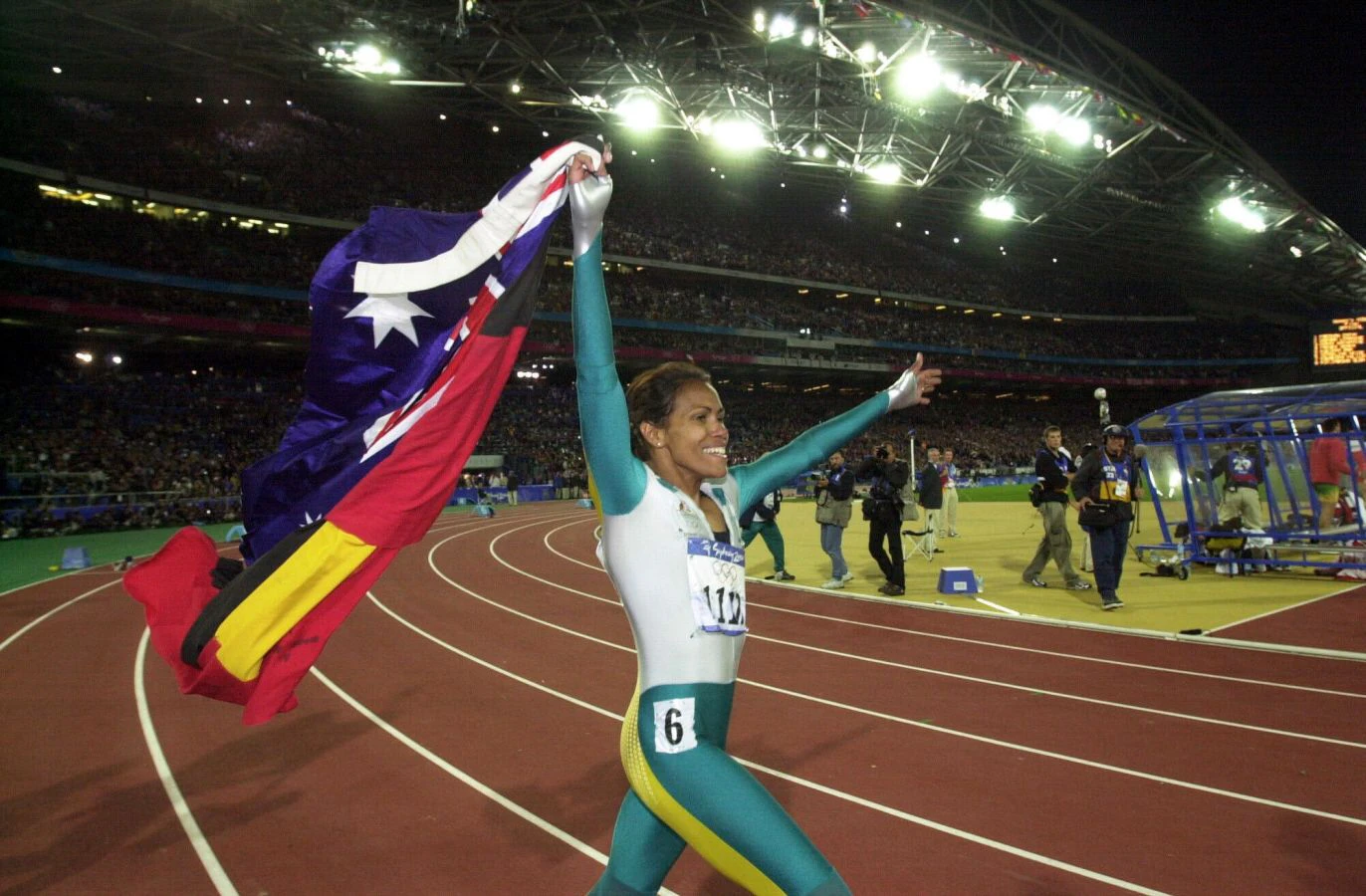
The pinnacle of Freeman’s career came during the 2000 Sydney Olympics, where she became a national icon after triumphing in the 400-meter final. Her victory was marked by a powerful display of nationalism and Indigenous pride, as she carried both the Australian flag and the Aboriginal flag around the track, capturing the hearts of millions. This moment was seen as a unifying symbol for a nation grappling with its past, and Freeman’s success helped establish a sense of inclusivity.
Post-Retirement Activism
Since retiring from competitive athletics in 2003, Freeman has continued her advocacy for Indigenous rights and sports. She is actively involved in community initiatives designed to enhance the educational and sporting opportunities for Indigenous youth. Her foundation, the Cathy Freeman Foundation, focuses on empowering Indigenous children through education and development programs, ensuring that they have the tools to succeed.
Current Relevance and Future Projections
As Australia reflects on its sporting heroes, Cathy Freeman’s legacy remains as pertinent as ever. Recent events, including discussions about the importance of representation in sports and the urgent need for reconciliation in Australian society, have brought Freeman back into the spotlight. There are calls from various sectors for increased focus on Indigenous issues, highlighting Freeman’s role as a champion not just in athletics but as a beacon for social change.
Conclusion
Cathy Freeman is more than an Olympic champion; she is an enduring symbol of hope and resilience for many Australians. As future generations look to her for inspiration, her story serves as a reminder of the power of sport in bridging cultural divides. In an ever-evolving landscape, Freeman’s influence continues to propel discussions about equality, representation, and the vital role of sports in society.