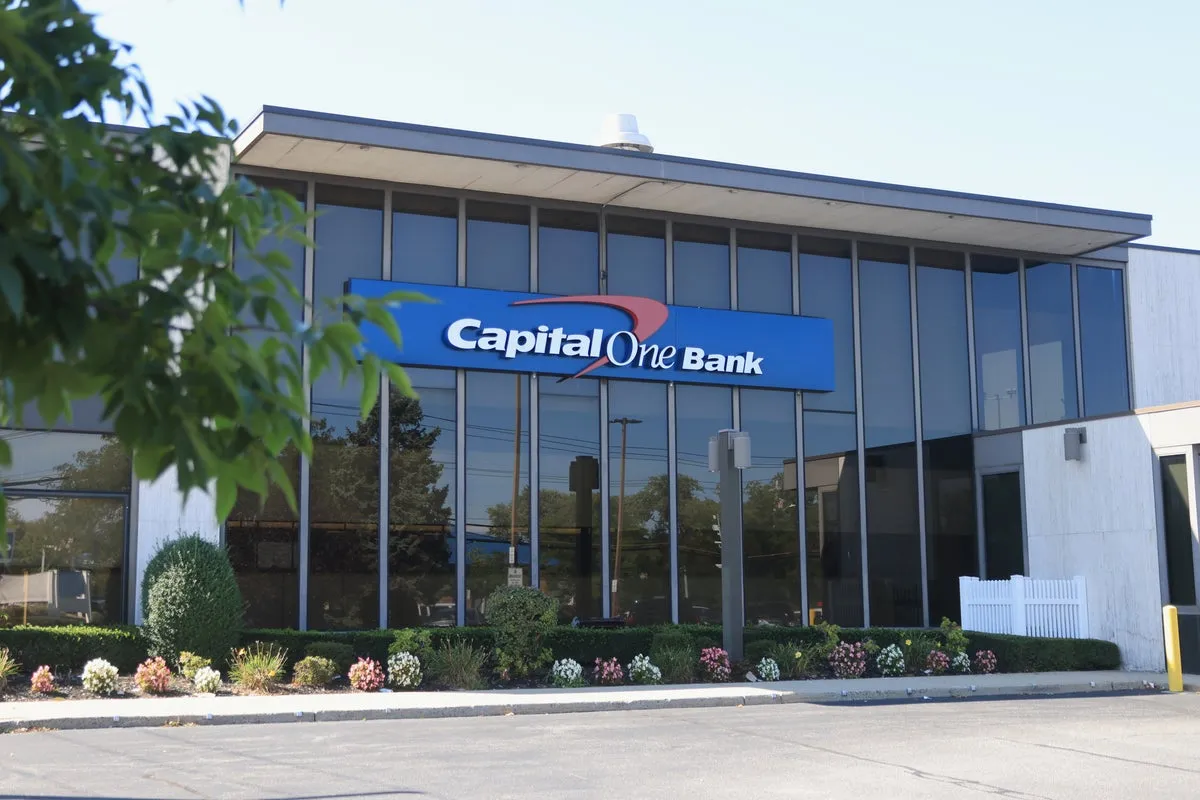
The dispute was over how Capital One handled the transition from its 360 Savings account to its 360 Performance Savings account. This week, in a significant development, a federal judge granted final approval of a $425 million settlement in a lawsuit against the bank. The case accused Capital One of misleading customers regarding the interest rates associated with these accounts.
According to Wolf Popper LLP, the firm representing the plaintiffs, “The lawsuit alleged that Capital One acted deceptively regarding the marketing and payment of interest on its 360 Savings account product.” They argued that customers were left unaware of the differences between the two accounts, particularly regarding their interest rates.
When the 360 Performance Savings account was introduced in 2019, it offered a much higher annual percentage yield (APY) of 1.9 percent compared to just 1 percent for the older 360 Savings account. Yet, many customers remained in the lower-yielding account without being informed about this new option. As one representative from Wolf Popper LLP stated, “Capital One left all existing customers in the inferior 360 Savings account and never informed them that 360 Performance Savings was a new, different product paying a higher interest rate.”
The approved settlement will automatically benefit customers who had a 360 Savings account between September 18, 2019, and June 16, 2025. Those eligible will receive checks in the mail—if their payment amounts to $5 or more—providing some relief after years of perceived unfair treatment.
Despite this ruling, Capital One has denied any wrongdoing throughout the legal proceedings. Nevertheless, they have agreed to pay this substantial amount to settle accusations that they created two savings accounts with very similar names but vastly different interest rates without making this clear to their customers.
As part of the settlement agreement, Capital One must also maintain and service both account types for at least two years following this decision. This requirement aims to ensure that customers are not left stranded with outdated products and can make informed choices moving forward.
The initial proposal for this settlement was less than $300 million but faced rejection from federal prosecutors who deemed it insufficient. Now, with Judge David Novak’s approval of the $425 million figure, millions of current and former Capital One customers can expect payouts soon.
Observers note that this case highlights significant issues surrounding transparency in banking practices. It serves as a reminder of the importance of clear communication between financial institutions and their clients—something many hope will improve as a result of this high-profile settlement.