Introduction
The stock performance of Beyond Meat, commonly referred to as BYND stock, has garnered significant attention in recent months. As a pioneer in the plant-based meat industry, Beyond Meat’s fluctuations in stock price reflect broader trends in consumer preferences, health-conscious choices, and evolving food technologies. Understanding the current market dynamics surrounding BYND is crucial for investors looking to navigate the volatile landscape of sustainable food investments.
Recent Performance and Market Trends
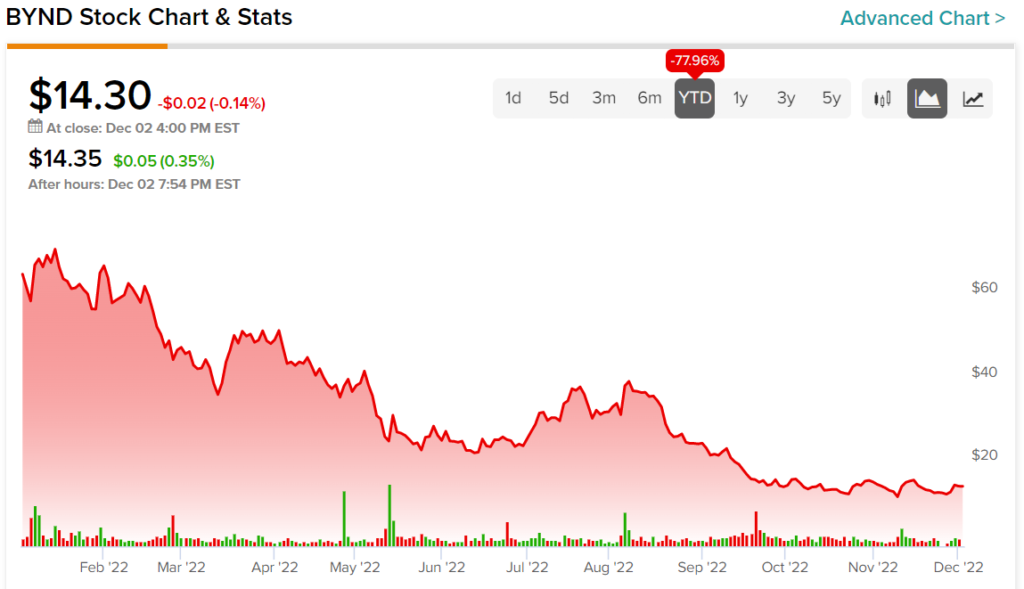
As of October 2023, BYND stock has experienced ups and downs, maintaining a volatile presence on the NASDAQ. In early September, shares hovered around $27, up from a low of approximately $10 earlier this year, demonstrating some recovery amid heightened consumer interest in plant-based diets. However, recent earnings reports highlighted challenges in scaling production and achieving profitability, leading to a 15% drop in single-day trading shortly after the announcement, causing apprehension among investors.
Market analysts have noted that Beyond Meat’s struggles are partly attributed to intensified competition within the plant-based segment. Major food brands, such as Nestlé and Tyson Foods, have launched their own plant-based products, directly challenging Beyond Meat’s market share. Additionally, inflation and changing consumer spending habits post-pandemic may impact discretionary spending on premium-priced products like those offered by Beyond Meat.
Future Outlook for BYND Stock
Looking ahead, analysts remain divided about the trajectory of BYND stock. Some see growth potential, especially with increasing awareness of environmental impact and health benefits associated with plant-based eating habits. They’ve pointed out that as more consumers adopt flexitarian diets, demand for products like those offered by Beyond Meat may rise dramatically, potentially benefiting sales in the long term.
Conversely, industry experts caution investors to be wary of potential headwinds. Economic factors, including rising commodity prices and supply chain disruptions, could further challenge Beyond Meat’s profitability. Furthermore, some analysts predict that unless Beyond Meat can innovate and substantially lower costs to remain competitive, the company may continue to face pressure on its stock value.
Conclusion
In summary, BYND stock represents a key player in the evolving market of plant-based foods, reflecting not just its corporate performance, but broader consumer trends and economic conditions. Investors must closely monitor these factors along with the company’s strategy to maintain relevance in a rapidly expanding market. With both challenges and opportunities on the horizon, the future of BYND stock remains an intriguing subject for investors and analysts alike.