Introduction
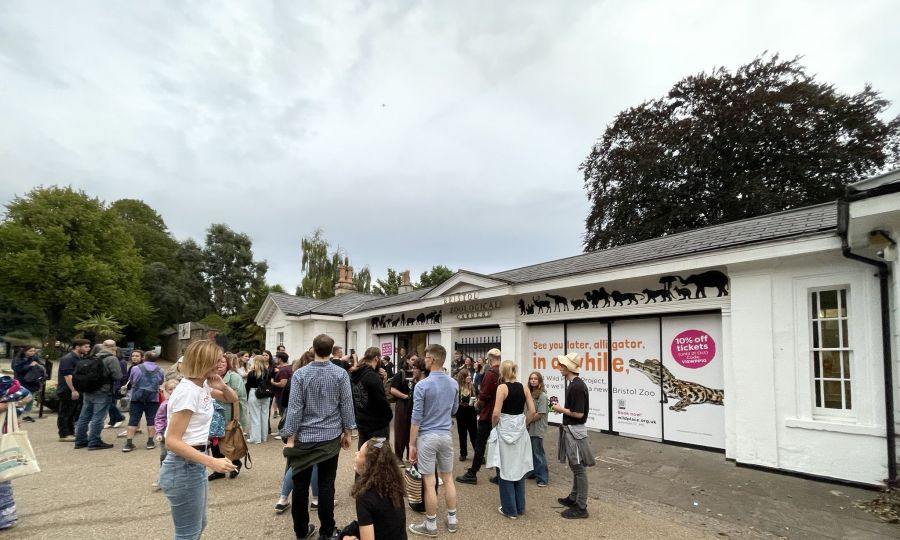
Bristol Zoo, one of the UK’s oldest zoos, is undergoing significant changes that highlight the importance of wildlife conservation and education. Established in 1836, setting a precedent in animal care, the zoo has played a vital role in conservation efforts and public awareness about endangered species. As the world increasingly grapples with biodiversity loss, Bristol Zoo’s evolving mission becomes even more relevant to local communities and conservationists alike.
Recent Developments
In 2021, Bristol Zoo announced the closure of its historic site in Clifton after 185 years of operation. This decision was made in light of the need for extensive repairs and the high costs associated with maintaining the 36-acre site. Instead, Bristol Zoo is redirecting its focus towards a new initiative at the Wild Place Project, located just outside the city. The Wild Place Project aims to create a more sustainable and impactful conservation centre.
The new centre will expand upon the zoo’s commitment to wildlife education and conservation, focusing on species preservation and habitat restoration. In the meantime, efforts are being made to enhance visitor experiences through interactive exhibits that educate about animal behaviours and the importance of protecting wildlife. The transition also aligns with modern zoological ethics that prioritise animal welfare and conservation.
Community Involvement and Future Vision
As Bristol Zoo transitions, local community involvement is essential. Plans are underway to engage with schools and local organisations to foster an appreciation for wildlife. Educational workshops and outreach programs are being designed to focus on environmental stewardship and the ecological challenges threatening local and global wildlife.
The projected opening of the new wildlife conservation centre is set for 2024, and with it, Bristol Zoo aims to become a leading force in international conservation efforts. The zoo intends to collaborate with global partners and utilise its platform to influence environmental policies.
Conclusion
The evolution of Bristol Zoo from a traditional zoological garden to a wildlife conservation centre represents a significant shift in how humanity interacts with nature. With its new focus, Bristol Zoo is poised to address critical conservation issues, provide in-depth educational experiences, and work towards a more sustainable future for all wildlife. As visitors and community stakeholders embark on this new journey, the hope is that Bristol Zoo will not only thrive but also inspire future generations to appreciate and protect our planet’s biodiversity.