Introduction
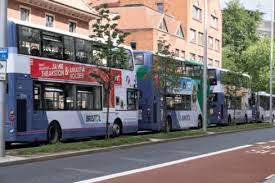
The recent bus strike in Bristol has raised concerns about public transport accessibility, impacting thousands of daily commuters. Highlighting the issues between bus drivers and their employer, the situation underscores the ongoing challenges faced by the transport sector in balancing labour needs with service delivery.
Details of the Strike
The strike commenced on October 10, 2023, after negotiations between the bus driver’s union and First Bus, the operator, reached an impasse. The drivers are demanding better pay and improved working conditions amidst rising living costs. Reports indicate that the drivers have not had a pay increase in over two years, prompting their decision to strike as a means of making their voices heard.
Every day, approximately 250,000 passengers depend on bus services across Bristol, and disruptions are already being felt citywide. Many commuters have been forced to seek alternative transport options, such as cycling, walking, or relying on taxis, which have all seen spikes in demand. Local businesses are also noting fewer customers as the strike progresses, further highlighting the interconnectedness of public transport and the local economy.
Union Response and Community Impact
Unite, the union representing the bus drivers, stated in a press conference, “Our members have been left with no choice but to strike. They are standing up for fair pay and respect on the job.” As the strike continues, the union is calling for further dialogue with First Bus to resolve the conflict. Members of the community have expressed mixed feelings; while some support the drivers’ fight for fair wages, others are frustrated by the inconvenience to their daily routines.
Recent Developments
In response to the strike, First Bus has announced that they are committed to resuming negotiations, with hopes of reaching an agreement that could end the disruption soon. The local government has also intervened, urging both parties to come to a resolution, as the implications of the strike extend beyond just transport—it affects the well-being of the entire city.
Conclusion
As the Bristol bus strike shows no immediate signs of ending, its impact on daily life and the local economy grows more pronounced. The ongoing negotiations may hinge on a delicate balance—addressing legitimate worker concerns while ensuring public transport restoration. The resolution of this dispute remains crucial for Bristol’s residents as they rely heavily on bus services for their daily activities. Future developments in this situation will be closely monitored, as the outcome could set a precedent for similar transport issues in cities across the UK.