Introduction
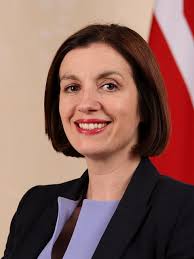
Bridget Phillipson, a Labour Member of Parliament for Houghton and Sunderland South, has emerged as a prominent figure in UK politics. Since her election in 2012, she has focused on education policy and has become a notable voice in the ongoing debates about education reform, especially in the wake of the Covid-19 pandemic. As the Shadow Secretary of State for Education, she plays a crucial role in shaping the Labour Party’s narrative around educational issues, making her an essential figure to watch in the current political landscape.
Key Contributions
Phillipson’s approach to education policy has gained increased attention as the country grapples with the consequences of the pandemic. Her advocacy for increased funding for schools, support for teachers, and targeted resources for disadvantaged students highlights her commitment to ensuring that every child has access to quality education. She has been vocal about the need to address the long-term impacts of lost learning and mental health issues among students caused by lockdowns.
In recent parliamentary debates, Phillipson has challenged the Government’s handling of education, criticising budget cuts and what she perceives as neglect of the needs of schools in England. Her proposals aim not only to restore but to enhance educational standards across the country, aiming for a more equitable education system that narrows the achievement gap.
Recent Developments
In October 2023, Phillipson urged the Government to invest in mental health services in schools, pointing to studies showing a rising number of children suffering from mental health issues. Her calls for action came after the release of alarming reports indicating a significant spike in referrals to mental health services for children and adolescents.
Moreover, she has championed a campaign for ‘school catch-up’ programmes, advocating for additional funding and resources to support students who have fallen behind due to the disruption of their education. This timely focus underlines her understanding of the changing educational landscape and her readiness to address its challenges.
Conclusion
Bridget Phillipson’s unwavering commitment to improving educational outcomes in the UK positions her as a leading voice in current educational discussions. As the political climate continues to evolve, her policies and advocacy will likely have lasting implications for the education system and beyond. Observers suggest that her influence may only continue to grow, both within the Labour Party and across the broader UK political spectrum as the nation navigates education reform in the post-pandemic world.



