Introduction
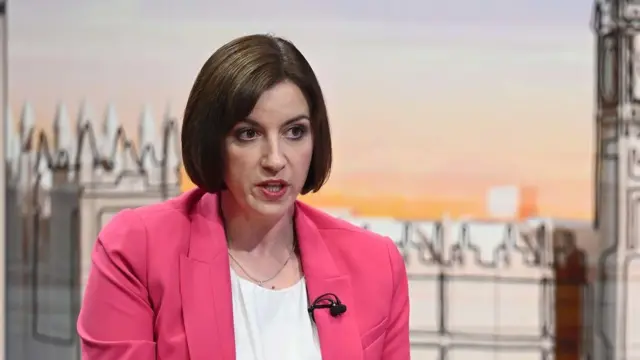
Bridget Phillipson, a prominent Labour Party politician, has recently gained attention for her significant contributions and advocacy in UK politics. As the Shadow Secretary of State for Education, her role is crucial during a period of educational reform and recovery post-pandemic. This article delves into her career, achievements, and the implications of her policies on the UK education system.
Political Career and Achievements
Bridget Phillipson was elected as the Member of Parliament (MP) for Houghton and Sunderland South in 2011. Over the years, she has established herself as a vocal advocate for education, believing that every child deserves access to a high-quality education. Following her appointment as Shadow Secretary of State for Education in 2021, Phillipson has been vocal about the need for increased funding in schools, highlighting the disparities in educational resources available to children across different socioeconomic backgrounds.
In addition to her focus on education, Phillipson has also championed women’s rights and equality in the workplace. She frequently addresses issues related to workplace discrimination and the need for more inclusive policies that support both women and families in balancing work and life commitments.
Current Events and Initiatives
In recent months, Bridget Phillipson has been at the forefront of several key debates within Parliament. Notably, she has spoken against proposed cuts to school budgets, arguing that such measures undermine the potential of future generations. Her advocacy for increased mental health support in schools has resonated widely, especially following the challenges posed by the COVID-19 pandemic.
Moreover, Phillipson has been actively campaigning for the introduction of free school meals for all primary school children, a move she argues would reduce stigma and ensure that every child has access to proper nutrition, which in turn enhances their ability to learn effectively.
Looking Ahead
The significance of Bridget Phillipson’s work extends beyond merely reforming education. Her leadership represents a new generation of politicians committed to tackling inequality and enhancing educational opportunities for all. As the Labour Party gears up for the next general election, her influence will be critical in shaping the party’s policies and addressing the key issues facing UK voters.
In conclusion, Bridget Phillipson stands out as a leader in the UK political landscape, particularly in education and equality. Her ongoing initiatives and commitment to reform signify a proactive approach to the challenges facing the nation. As we look towards the future, her actions may not only influence educational policies but could also be pivotal in redefining the role of women in British politics.