Introduction
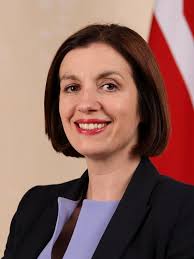
Bridget Phillipson has emerged as a significant player in the UK political landscape, representing the Labour Party as the Member of Parliament for Houghton and Sunderland South since 2010. With her recent appointments and rising profile within the party, she stands at the forefront of political discussions surrounding education, equality and economic development.
Background and Early Career
Born on 29th October 1982, in Sunderland, Phillipson pursued a degree in History at the University of Oxford, after which she began her career as a researcher for the Labour Party. Her commitment to public service and eagerness to effect change propelled her to enter politics, where she has consistently advocated for progressive policies.
Key Positions and Recent Developments
In September 2021, Phillipson was appointed as the Shadow Secretary of State for Education, where she has been vocal about the importance of investing in education to secure a brighter future for all children in the UK. She has also championed discussions about closing the educational gap created by the pandemic, urging the government to implement significant reforms.
As the Labour Party intensifies its efforts to bridge communication with younger voters, Phillipson’s role is crucial. In the latest party conferences, she has been a key presenter, advocating for policies aimed at enhancing educational frameworks and countering economic inequalities. Her involvement has drawn attention, aligning with the party’s broader strategy to appeal to a diverse electorate.
Impact and Future Prospects
Bridget Phillipson’s advocacy and political acumen have not gone unnoticed. Political analysts predict that her rising star could lead to a more prominent role within the Labour Party, especially with the next general election approaching in 2024. As a representative of a constituency that has faced economic challenges, her approach resonates with many voters who seek tangible results.
In conclusion, Bridget Phillipson represents the younger generation of political leaders aiming to reform and revitalize UK politics. Her contributions, especially in education and social policies, will play a significant role in shaping the Labour Party’s strategies moving forward. With continued engagement with the electorate, she could become a formidable figure not just within her party but in the national political arena.