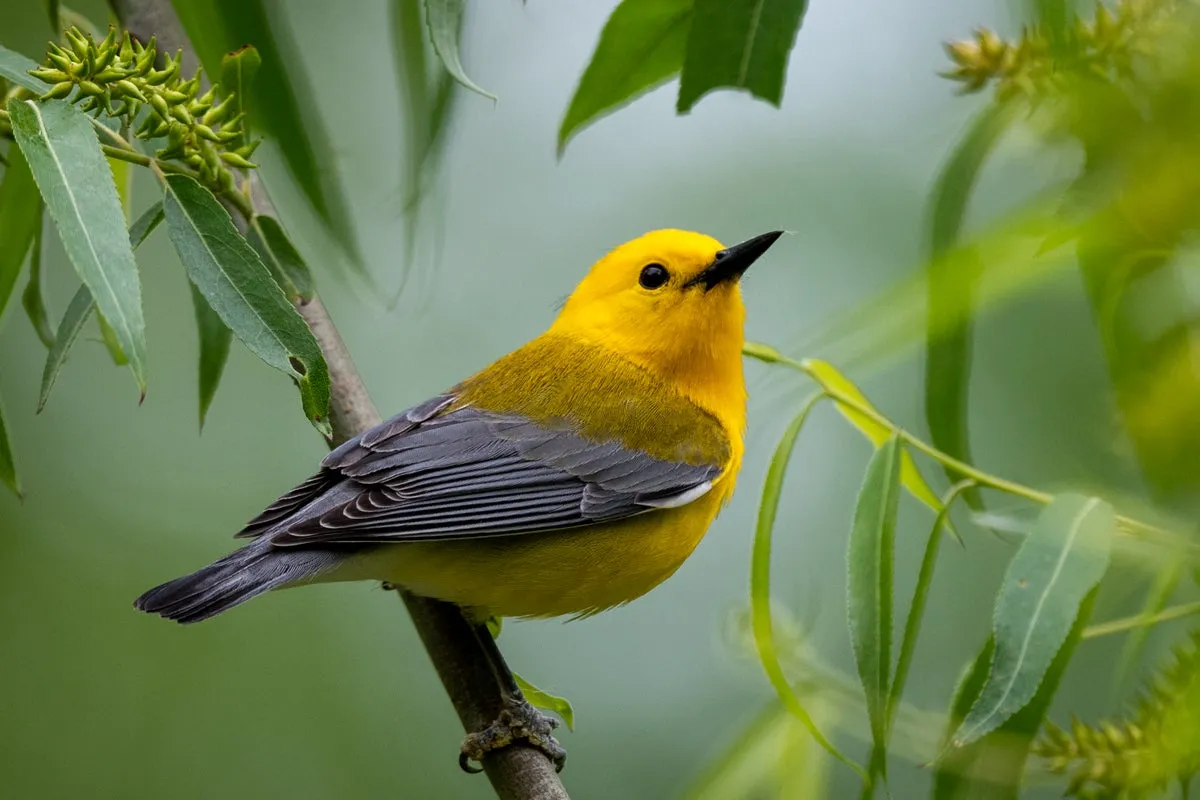
A recent study reveals that urban birds react differently to men and women, showing more fear towards women. This finding comes as spring migration peaks in the Northern Hemisphere, with an estimated 147 million birds predicted to take wing over North America tonight.
Researchers found that urban birds, such as American Oystercatchers and Rose-breasted Grosbeaks, display heightened wariness when approached by women compared to men. Specifically, birds like great tits and house sparrows can sense the sex of humans approaching them. The study noted that men could approach these birds nearly one meter closer before they flee.
This intriguing behavior unfolds against a backdrop of declining bird populations in North America, which have decreased by three billion since 1970. Bird watchers have reported fewer sightings over the years, raising concerns about the impact of urbanization on local wildlife.
The migration of birds from southern wintering grounds to their breeding territories is currently in full swing. As fledglings—young birds developing their feathers—take their first flights, researchers emphasize the importance of understanding how human interactions influence their survival.
Professor Daniel Blumstein, a lead researcher on the study, expressed his surprise at the findings. “Birds were less tolerant of women than of men, and this result was geographically consistent,” he said. Yet, he admitted, “I fully believe our results… but I can’t explain them right now.” This uncertainty leaves many questions unanswered regarding why urban birds exhibit such distinct behaviors based on gender.
The implications of this research extend beyond mere curiosity; they touch on how humans can coexist with wildlife in increasingly urban environments. Bird vocalizations at dawn—like those of the American Robin—serve as natural alarm clocks for bird watchers eager to witness these changes firsthand.
As spring unfolds, the phenomenon of bird migration continues to captivate nature enthusiasts across the country. With over 10,000 bird species existing today, each season brings new opportunities for observation and appreciation of these remarkable creatures.
For those interested in observing these behaviors firsthand, now is an ideal time for bird watching as fledglings learn to navigate their surroundings amidst the hustle and bustle of city life.