Introduction
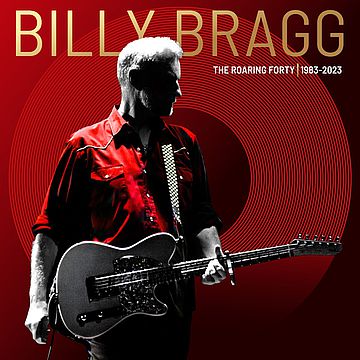
Billy Bragg, an iconic figure in the British music scene, is not just a singer-songwriter; he is also a fervent activist whose music has been a powerful tool for social change. Born on December 20, 1957, in Barking, London, Bragg’s career spans several decades, blending folk music with politics. His relevance today cannot be understated, as he continues to address pressing issues such as workers’ rights, social justice, and the climate crisis through his art and public engagements.
The Musical Journey
Bragg first gained prominence in the 1980s with his debut album, “Life’s a Riot with Spy vs Spy” (1983), which showcased his unique blend of punk energy and folk storytelling. Combining personal experiences with broader socio-political themes, he set the stage for a new genre of politically charged music. Over the years, he has released several albums, including the critically acclaimed “Workers Playtime” and “Don’t Try This at Home.” His songs often highlight the struggles and resilience of ordinary people, attempting to amplify their voices.
Recent Contributions
In recent years, Bragg has remained active both in the studio and in political discourse. His 2019 album, “The Blackest Ever Black,” explored themes of identity and race, resonating with global movements like Black Lives Matter. In addition to his music, Bragg has utilised social media platforms to discuss and advocate for various causes, particularly in the wake of events such as the Covid-19 pandemic and the ongoing climate crisis. He has also been involved with charities and campaigns aimed at protecting workers’ rights and fighting inequality.
The Legacy of Billy Bragg
Billy Bragg’s influence extends beyond music. As a vocal critic of government policies and a champion for social justice, he embodies the spirit of activism in the UK. His work has inspired countless musicians and activists alike, establishing him as a cultural icon whose voice resonates in contemporary society. Bragg’s ability to connect music with meaningful messages has made him a compelling figure for new generations seeking change.
Conclusion
As we look towards the future, Billy Bragg remains a vital presence in both the music industry and the world of activism. His continual efforts to address injustices and champion the rights of the underrepresented confirm that music can indeed be a powerful force for change. For readers and fans, Bragg’s journey serves as a reminder of the potent combination of art and activism—a call to action that urges all of us to use our voices in the pursuit of a fairer world.