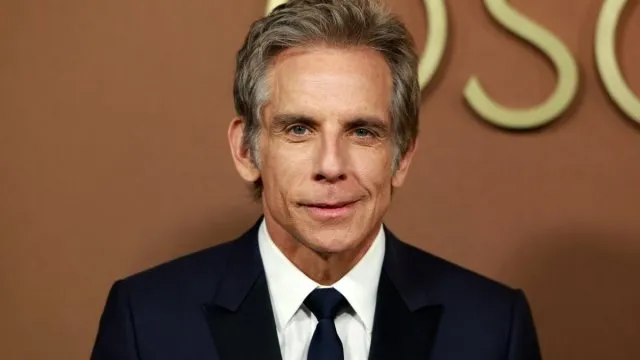
“Hey White House, please remove the Tropic Thunder clip. We never gave you permission and have no interest in being a part of your propaganda machine. War is not a movie.” This direct statement from actor and director Ben Stiller encapsulates his strong opposition to the recent use of his film’s content in a White House video montage.
The controversy erupted when the White House shared a montage that included clips from various films, among them Stiller’s 2008 comedy, Tropic Thunder. Stiller, who directed and starred in the film, took to social media platform X (formerly Twitter) to express his discontent, emphasizing that he had not authorized the use of his work.
Stiller’s comments highlight a growing concern among creators regarding the appropriation of their content for political purposes. In his post, he criticized the use of media to promote war, stating firmly, “War is not a movie.” This sentiment resonates deeply in a time when the lines between entertainment and political messaging are increasingly blurred.
The montage shared by the White House also featured clips from other popular films, such as John Wick, Superman, and Iron Man 2, suggesting a broader strategy to utilize cinematic imagery to convey messages about military engagement. However, the inclusion of Stiller’s work without permission has sparked significant backlash.
Stiller is not the first celebrity to voice concerns over the unauthorized use of their content by the government. This incident adds to a growing list of public figures who have criticized similar actions, raising questions about intellectual property rights and the ethical implications of using artistic work in political contexts.
Despite stepping away from directing duties on the upcoming season of Severance, Stiller remains actively involved in the series creatively. Kogonada is expected to direct most, if not all, episodes of the third season, which is anticipated to premiere in mid-to-late 2027. This ongoing commitment to his projects reflects Stiller’s dedication to his craft, even as he navigates the complexities of media representation.
As the situation develops, it remains to be seen how the White House will respond to Stiller’s demands. The actor’s outspoken stance may prompt further discussions about the use of film and media in political messaging, particularly as the entertainment industry continues to grapple with its role in societal issues.