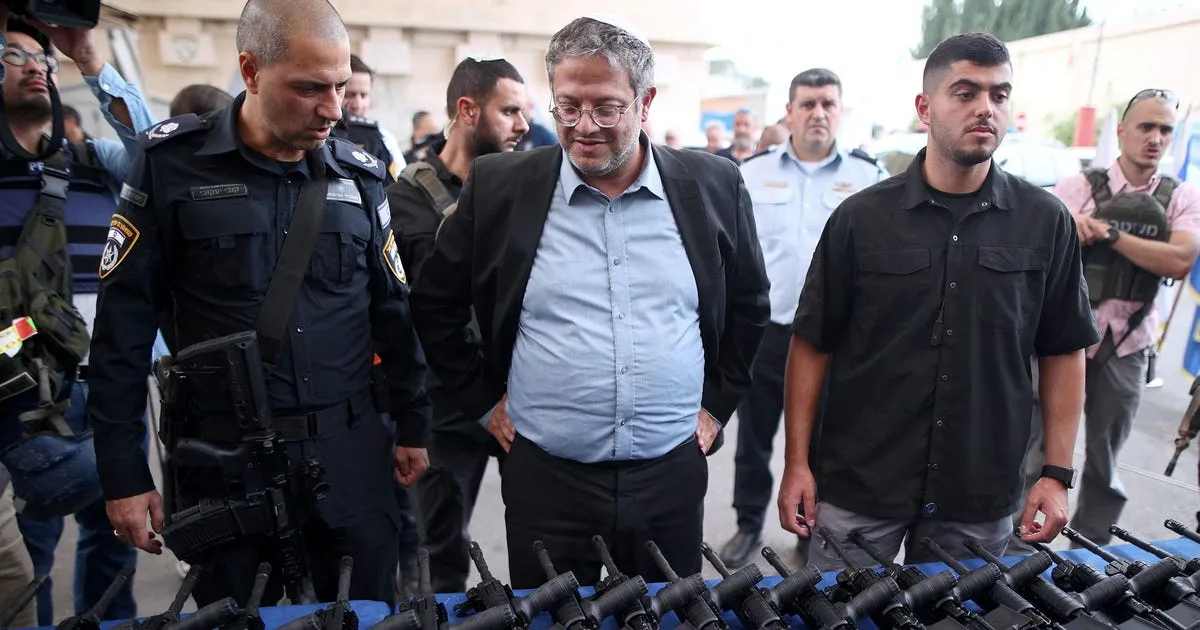
Ben Gvir Expands Firearm Eligibility in Jerusalem
In a notable development, Itamar Ben-Gvir, Israel’s Minister of National Security, announced on March 10, 2026, that all Jewish residents in Jerusalem are now eligible for firearm licenses based on their place of residence. This policy shift significantly broadens the scope of who can apply for gun permits in the city.
Previously, only residents of neighborhoods adjacent to the West Bank were permitted to obtain gun permits. With this new directive, approximately 300,000 additional residents from 41 neighborhoods will now qualify for firearm licenses. This expansion is part of Ben-Gvir’s strategy to enhance security measures amid ongoing tensions and wartime conditions in the region.
The policy aims to arm more residents, allowing for a quicker response to potential security threats. Ben-Gvir’s administration has emphasized the importance of enabling civilians to protect themselves during times of heightened risk. The new regulations will also expedite the approval process for trained applicants, making it easier for them to obtain the necessary licenses.
Supporters of the policy argue that it will serve as a deterrent against potential attacks and enable faster responses to incidents. However, the move has not been without controversy. Critics have raised concerns about the potential for oversight gaps and the increased risks of accidental harm that may arise from a larger number of civilians carrying firearms.
In the context of Israel’s broader security policy, this change reflects a tightening of measures aimed at addressing perceived threats. The expansion of gun permits is seen as a direct response to the ongoing security challenges faced by the nation.
Eran Nahon, a key figure who has previously assisted Ben-Gvir in toughening conditions for Palestinian security prisoners, is likely to play a role in the implementation of this policy. His involvement underscores the administration’s commitment to a more stringent security framework.
As the policy unfolds, reactions from various stakeholders are expected to emerge. While supporters tout the benefits of increased civilian armament, the apprehensions voiced by critics highlight the complexities of balancing security needs with public safety.
Details remain unconfirmed regarding the specific mechanisms that will be put in place to ensure responsible gun ownership among the newly eligible residents. The discourse surrounding this policy change will likely continue to evolve as it is put into practice.