Introduction
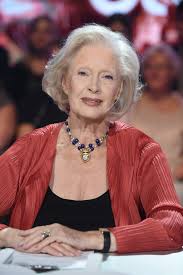
Beata Tyszkiewicz, a prominent figure in Polish cinema and television, has been a celebrated icon since her debut in the 1960s. Known for her beauty and talent, she has captivated audiences for decades and remains an influential presence in the industry. As Polish cinema faces new challenges and transformations, Tyszkiewicz’s legacy takes on renewed importance, reflecting the evolution of cultural expressions in Poland.
Early Life and Career
Born on April 14, 1938, in the city of Łódź, Beata Tyszkiewicz began her career in acting shortly after graduating from the National Film School in Łódź in 1959. Her breakout role came in the film “The Last Day of Summer” in 1958, where she showcased her remarkable talent and completed her transformation into a household name in Poland.
Achievements and Contributions
Tyszkiewicz’s career has spanned over six decades and includes numerous film and television appearances. She has become synonymous with classic Polish films, including “The Pianist,” for which she received critical acclaim. Her contribution to the Polish theatre scene is equally noteworthy, where she has been involved in various productions that have shaped the country’s artistic landscape.
In addition to her acting career, Tyszkiewicz has hosted and participated in numerous television formats, further solidifying her status as an enduring icon of Polish culture. She received multiple honors, including the Polish Film Awards ‘Orły’ for her contributions to the film industry, and is admired for inspiring young actors in contemporary Polish cinema.
Recent Developments
As of 2023, Beata Tyszkiewicz continues to engage with audiences, reflecting on her experiences and offering insight into the evolution of cinema. Recently, she participated in discussions and panels that highlight the importance of preserving cultural heritage and mentorship in the arts. Furthermore, Tyszkiewicz has embraced modern communication channels, using social media to connect with her fans and share moments from her illustrious career.
Conclusion
Beata Tyszkiewicz’s impact on Polish cinema is undeniable. As one of the nation’s beloved figures, her journey reflects not only her personal achievements but also the broader narrative of Poland’s cinematic history. As new generations of filmmakers and actors rise, Tyszkiewicz’s legacy serves as a beacon of inspiration, reminding us of the rich tapestry of stories that define Polish culture. Looking forward, it is vital for young artists to learn from her commitment to craft and to continue the dialogue that connects performers across generations.